
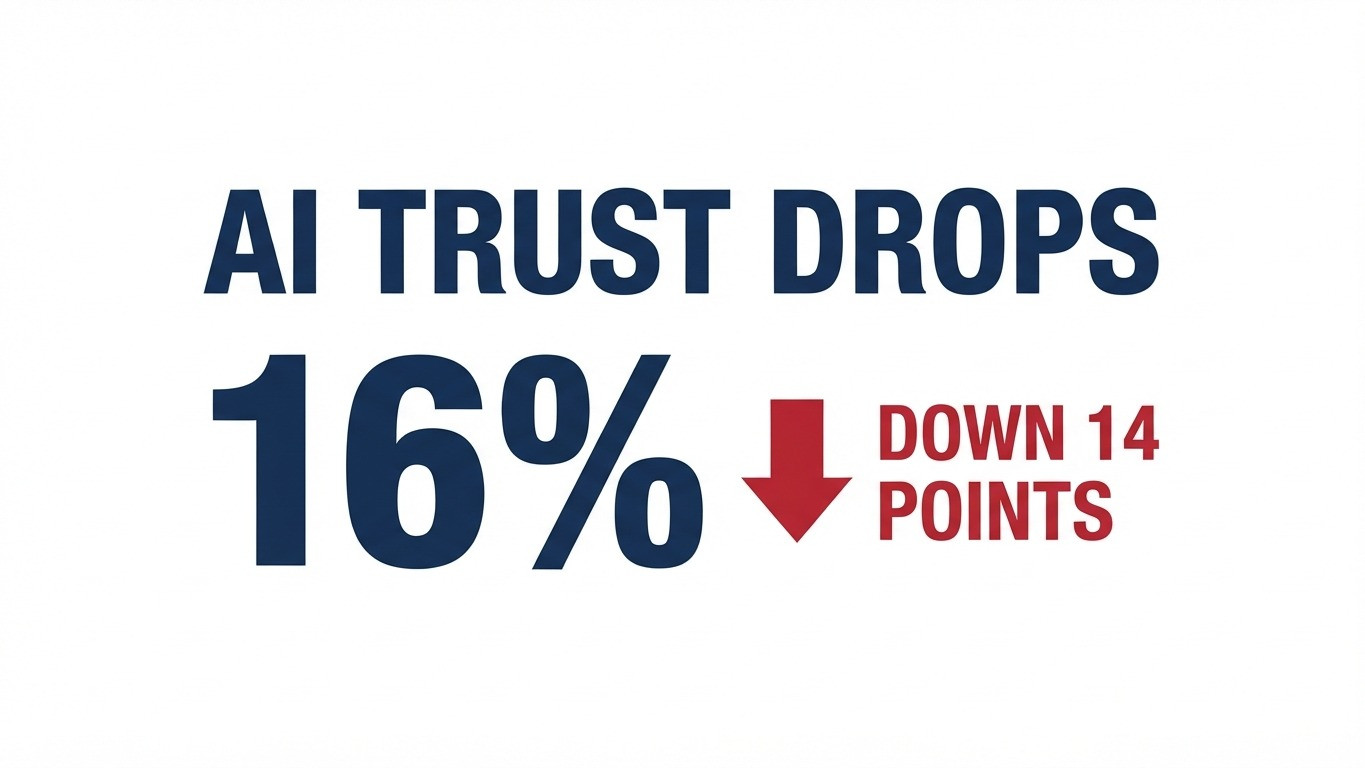
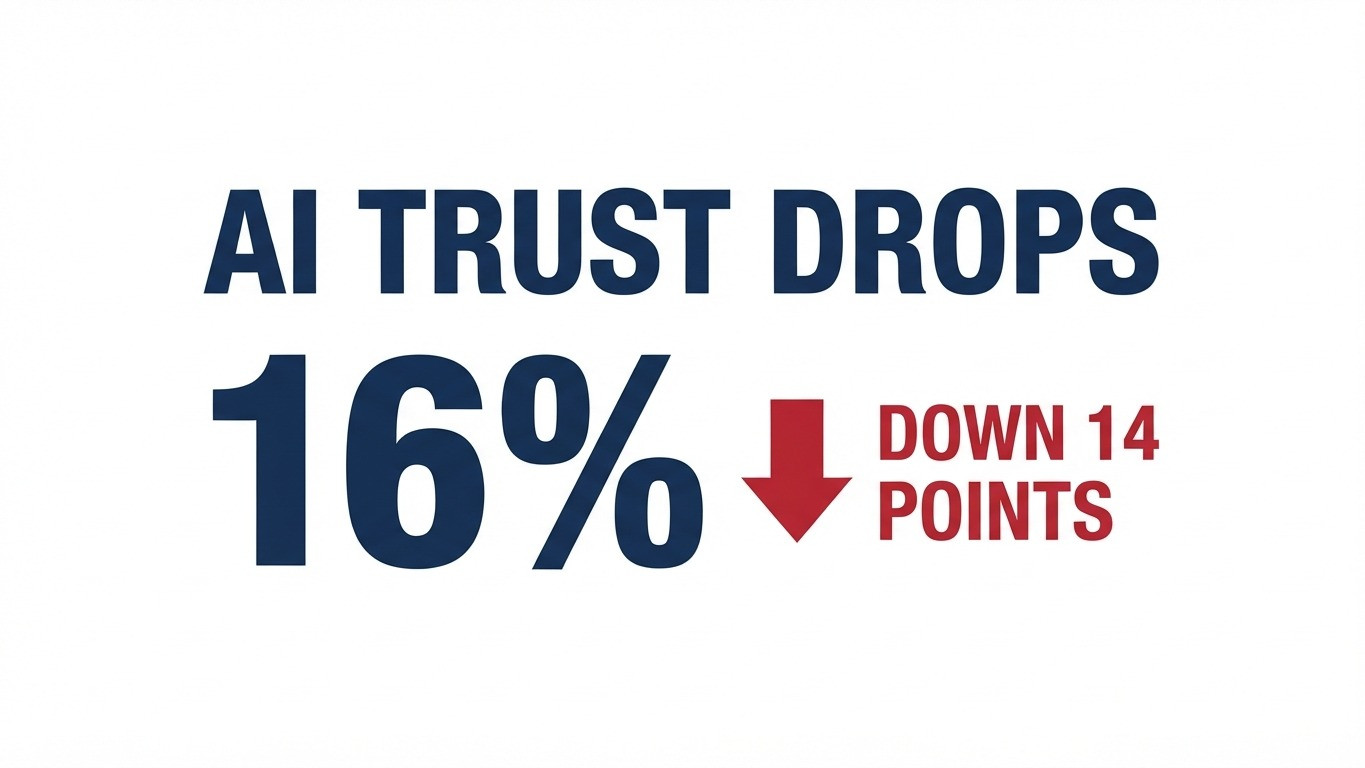
A new data point should give every brokerage pause: declining ai trust real estate agents and their clients now have to navigate is real and measurable. A 2026 Cotality survey, covered by HousingWire, found that trust in AI to help find a home fell to just 16% this year – a 14-point drop from 2025 – even though 75% of homebuyers still expect AI to play some role in their transaction.

The Contradiction at the Center of the Data
This is the part that should get an agent’s attention: buyers aren’t rejecting AI, they’re rejecting AI they can’t verify. The Cotality 2026 survey found buyers assume AI is already being used by property websites (86%), lenders (80%), and real estate agents (80%) – expectation is nearly universal. What’s collapsing isn’t the assumption that AI is involved, it’s confidence that the AI involved is being used responsibly. Only 22% of Gen Z and 19% of millennial buyers say they’re tolerant of AI errors at all, and those numbers drop further for older generations.
The same Cotality findings show 68% of buyers say clear AI labeling on listings and recommendations is important or essential, and 37% think that labeling should be mandatory. Declining ai trust real estate agents now have to manage isn’t a reason to pull back from AI tools – it’s a signal that opacity is now the actual liability, not the AI itself.
Why This Is Harder for Agents Than It Looks
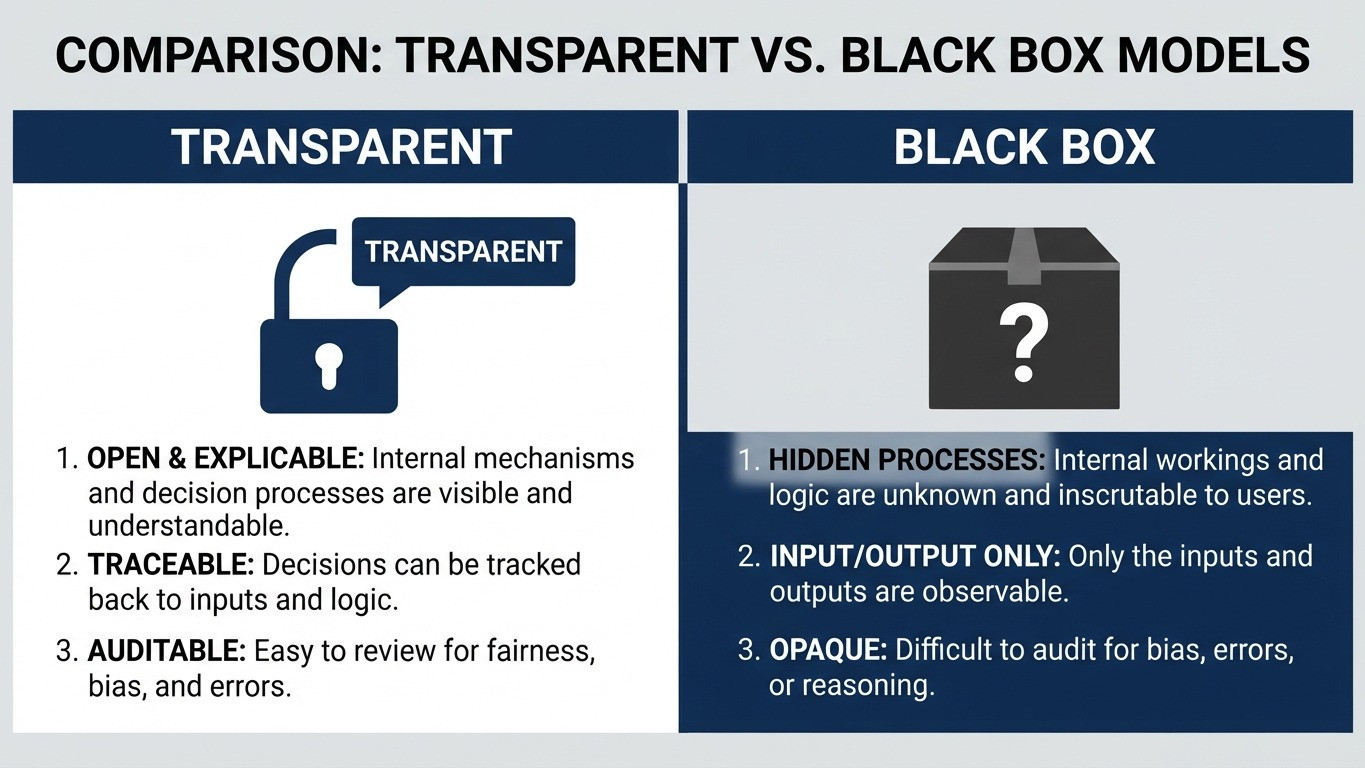
Every brokerage racing to show clients “we use AI too” is walking into exactly the trust gap this survey describes. A chatbot that answers instantly but can’t explain how it reached a valuation, or a lead-qualification tool that scores a buyer without any visible logic, is precisely the kind of black-box behavior driving the 14-point trust decline. Meanwhile, 46% of buyers say it’s unacceptable for AI to run an automated valuation without prior approval – a detail that matters if an agent’s AI tools are making decisions clients never explicitly agreed to.
The agents least exposed to declining ai trust real estate agents are seeing across their client base won’t be the ones with the most AI features. They’ll be the ones whose AI tools are labeled, explainable, and easy for a buyer to override – because that’s the exact behavior this survey shows buyers are demanding.

Closing the Declining AI Trust Real Estate Agents Face
Rebuilding trust doesn’t require ripping out AI tools – it requires making them visibly accountable to the client:
- Label the AI, always. Any chatbot, valuation tool, or automated message a client interacts with should say clearly that it’s AI, matching what 68% of buyers already say they want.
- Keep a human in the approval loop. Automated valuations or pre-qualification scores should route through an agent before a client ever sees a number presented as final.
- Make the reasoning visible. A lead score or property match that comes with a one-line explanation builds more confidence than one that just appears.
- Give clients an easy override. A visible “talk to a person” option matters more than it seems – it’s the opposite of the black-box experience buyers are pushing back against.
Choosing the right tool matters as much as how it’s presented. A real estate AI virtual assistant built with visible disclosure and human hand-off baked in addresses most of what’s driving declining ai trust real estate agents are dealing with, without asking an agent to give up the speed and coverage AI provides.
Related Reading
If you’re evaluating tools with this trust gap in mind, look specifically at how each AI virtual assistant discloses its AI status to clients. It’s also worth reading what a conversational chatbot actually is if you want a plain-language way to explain these tools to skeptical clients.
Final Thoughts
Declining ai trust real estate agents are navigating is a warning about how AI is deployed, not whether it should be used at all. Buyers have already decided AI belongs in the homebuying process – what they haven’t decided is whether they can trust the specific tool in front of them. Agents who close that gap with visible, explainable, human-backed AI will be the ones clients choose the next time trust is the deciding factor.
