
Art Carter, president and CEO of California Regional MLS, ran a simple test. He asked Claude how someone might obtain CRMLS data for a hypothetical product. The chatbot offered two paths: license the data properly, or install a Chrome browser extension that would log into a subscriber’s own account and pull whatever data it needed. The ai chatbot mls data security risk brokerages that test surfaced is not theoretical. It is sitting inside a mainstream AI assistant, ready to hand out on request.

What the CRMLS Test Actually Found
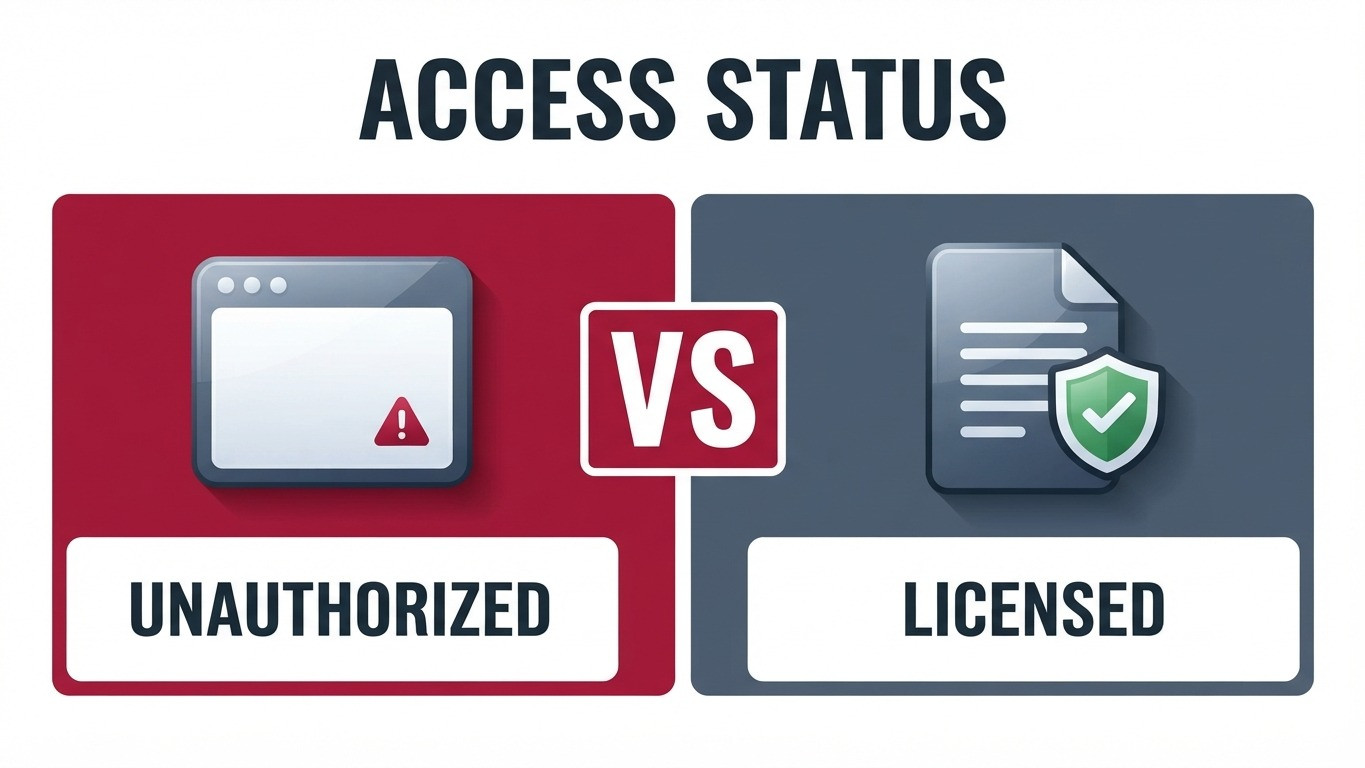
According to RISMedia’s reporting, some MLSs already have policies discouraging agents from uploading MLS data into free AI services, but there is currently no way to enforce that policy once the data leaves a subscriber’s screen. A browser extension that can read and export whatever is on an authenticated MLS session bypasses licensing terms entirely, and an AI chatbot recommending that path treats it as just another technical solution rather than a data agreement violation.
That gap between what an AI model will casually suggest and what an MLS license actually permits is the real story here. The chatbot is not malicious. It is simply optimizing for a helpful-sounding answer without any awareness of the contractual and legal lines a real estate professional would need to respect.
The Liability Problem Nobody Budgeted For
The second finding is arguably more serious for brokerages than the data leak itself. California’s Department of Real Estate has told Carter directly that a brokerage is responsible when its AI tool answers real estate questions, because the tool is treated as an unlicensed assistant under the brokerage’s control. An AI chatbot fielding buyer or seller questions is, in the state’s view, engaging in activity that ordinarily requires a license, and the brokerage deploying it owns that risk.
Layer in accuracy on top of that. AI models make inferences to fill gaps in incomplete data, and a wrong answer from a chatbot can push a buyer or seller toward a costly decision. Carter’s own framing is blunt: harmed people will find somebody to sue, and brokerages need to think carefully about that exposure before they hand a chatbot the keys to their MLS data and their client conversations.
Managing the AI Chatbot MLS Data Security Risk Brokerages Are Now Facing
None of this means avoiding AI chatbots. It means treating MLS access and licensed advice as two things that need explicit guardrails before a chatbot touches either one.
First, prohibit uploading MLS data or connecting browser extensions to any general-purpose AI tool, in writing, and explain why: a data agreement violation carries real consequences for the brokerage, not just an inconvenience.
Second, review exactly what any AI chatbot deployed on a brokerage website or CRM is authorized to tell a buyer or seller. If it is answering substantive real estate questions rather than routing to a licensed person, that is the exposure California’s DRE just flagged directly.
Third, keep a human reviewing anything an AI tool tells a client about pricing, terms, or process before it goes out, especially while the accuracy of general-purpose models on real estate specifics remains inconsistent.

A Test Worth Running at Your Own Brokerage
Carter’s test is easy to replicate. Ask a mainstream AI chatbot how to access your own MLS’s data, and see what it suggests. If the answer involves anything other than a proper license agreement, that is a live gap between what your MLS terms allow and what an AI tool will casually recommend to anyone who asks, and a fast way to confirm whether the ai chatbot mls data security risk brokerages applies to your own stack.
Related Reading
If your brokerage is evaluating which chat tools are actually safe to put in front of clients, our guide to chatbot builders that can be locked down covers which platforms let you control exactly what a bot is authorized to say, and our full roundup of how each vendor handles your data covers those practices in more depth. It pairs well with our coverage of AI decision-making compliance for real estate agents, since both stories point to the same shift: regulators are starting to hold brokerages directly responsible for what their AI tools do.
Final Thoughts
A CEO asking his own chatbot a hypothetical question should not be the first time a brokerage discovers its AI tools have a data-leak path built in. The ai chatbot mls data security risk brokerages this test exposed is fixable with clear policy and a human in the loop, but only for brokerages that go looking for it before a regulator, an MLS, or a harmed client finds it first.
