

Edina Realty just relaunched its consumer-facing website, and the headline feature is not a new search filter. It is Mae, an AI-powered synthetic human built on the RELIANCEai AIQ Cloud platform, greeting buyers and sellers the moment they land on the site. This is not a lab demo or a trade-show pitch. Ai digital human brokerage website adoption is now live in front of real homebuyers in Minnesota and western Wisconsin, and it is worth understanding what it actually does before it shows up on your own brokerage’s site.

What Edina Realty Actually Launched
According to HousingWire’s coverage, the redesigned site pairs enhanced property search and interactive mapping with hyperlocal community data, all wrapped around Mae as the interface. Mae is the branded version of Areia, RELIANCEai’s Autonomous Real Estate Intelligence Assistant, a synthetic human interface fluent in more than 70 languages that RELIANCEai has been rolling out across brokerage websites, CRMs, and agent platforms since a phased launch earlier this year. Edina Realty’s parent, HomeServices of America, introduced the underlying platform as Maestro, an enterprise-wide system meant to connect consumer search directly to a real, licensed agent on the back end rather than replace one.
That distinction matters. Mae is not answering questions independently and disappearing. Every conversation is designed to route back to a human agent, with the AI layer handling the initial search, qualification, and hyperlocal detail that used to require either a static IDX widget or a live person on standby.

Why a 70-Year-Old Brokerage Chose an Avatar Over a Chat Widget
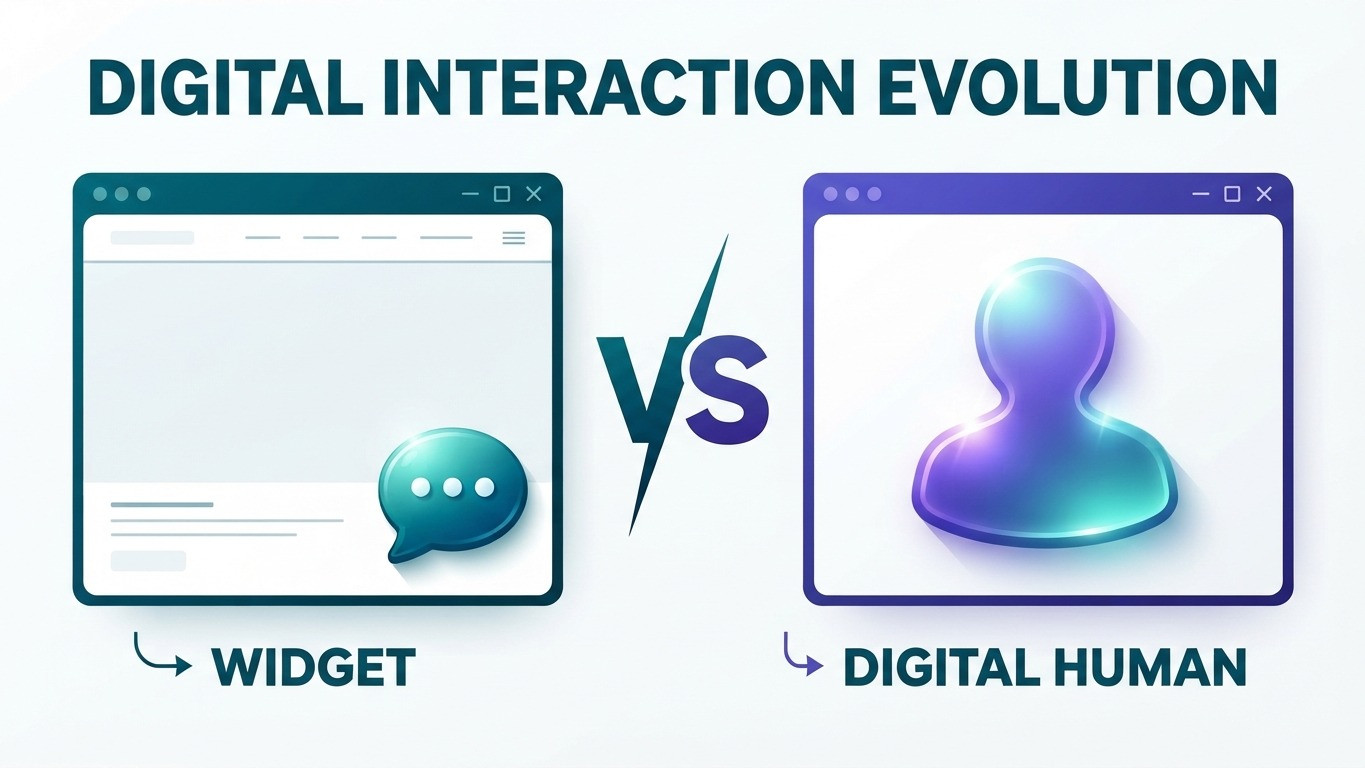
Most real estate websites still handle AI the same way they did three years ago: a chat widget in the corner that answers scripted questions and hands off to a form. Edina Realty’s bet is that a persistent, branded, always-visible interface converts better than a widget a visitor has to notice and click first. Whether that bet pays off in lead quality is unproven at this stage, but the underlying logic tracks with a broader shift already underway. Ai digital human brokerage website adoption is happening because brokerages are moving from AI as a background feature to AI as the front door of the website itself.
What the AI Digital Human Brokerage Website Adoption Wave Means for Smaller Teams
Not every brokerage has a national platform partner ready to deploy a synthetic human overnight, and that is fine. The lesson from Edina Realty’s launch is not “buy an avatar.” It is that the bar for what counts as a modern, AI-forward brokerage website just moved, and three things are worth auditing on your own site regardless of budget.
First, check whether your current AI chat feature is visible the instant a visitor lands, or buried behind a click. Placement changes engagement far more than most teams assume.
Second, confirm that every AI-initiated conversation on your site actually routes to a real agent within a reasonable window. A synthetic human that never connects to a person is a liability, not a feature, especially as more states adopt AI disclosure rules for real estate.
Third, look at whether your site’s AI layer can surface hyperlocal detail, specific to a neighborhood or subdivision, rather than generic city-level content. That specificity is what separates Edina Realty’s rollout from a standard chatbot integration.

The Bigger Pattern Behind This Rollout
Edina Realty is not an isolated case. RELIANCEai has been positioning Areia as infrastructure for enterprise brokerage partners across North America since a phased rollout began earlier in 2026, and HomeServices of America’s Maestro platform is designed to reach agents well beyond a single regional brand. The specific avatar and branding will vary by company, but the direction behind this pattern of AI digital human brokerage website adoption is the same everywhere it appears: AI stops being a tool an agent opens separately and becomes the first thing a consumer sees.
Related Reading
If your team is deciding which kind of AI interface actually belongs on a client-facing site, our guide to AI virtual assistants for real estate breaks down which tools route conversations to a real agent versus which ones leave a visitor talking to a dead end. It pairs well with our coverage of what earns a brokerage site an AI citation, since both trends point to the same shift: how a brokerage website presents itself to AI, and to the humans who now expect an AI-native experience, is becoming as important as the listings on it.
Final Thoughts
An avatar on a website will not replace the trust an agent builds in person, and Edina Realty is not positioning Mae that way. But the ai digital human brokerage website adoption trend this launch represents is real, and it is moving faster than most independent brokerages have budgeted for. The teams that get ahead of it now are the ones deciding what their AI interface should look like on their own terms, rather than reacting once every competitor’s homepage has one.
