
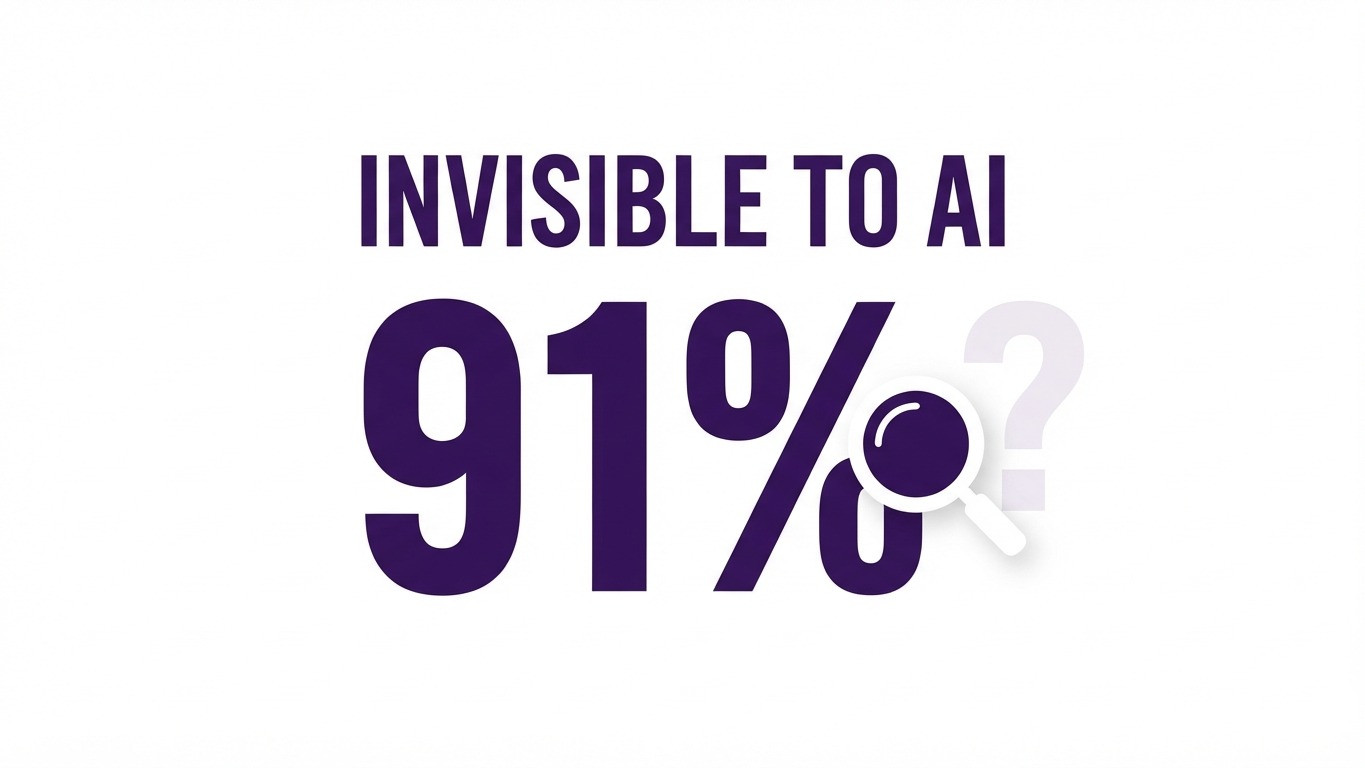
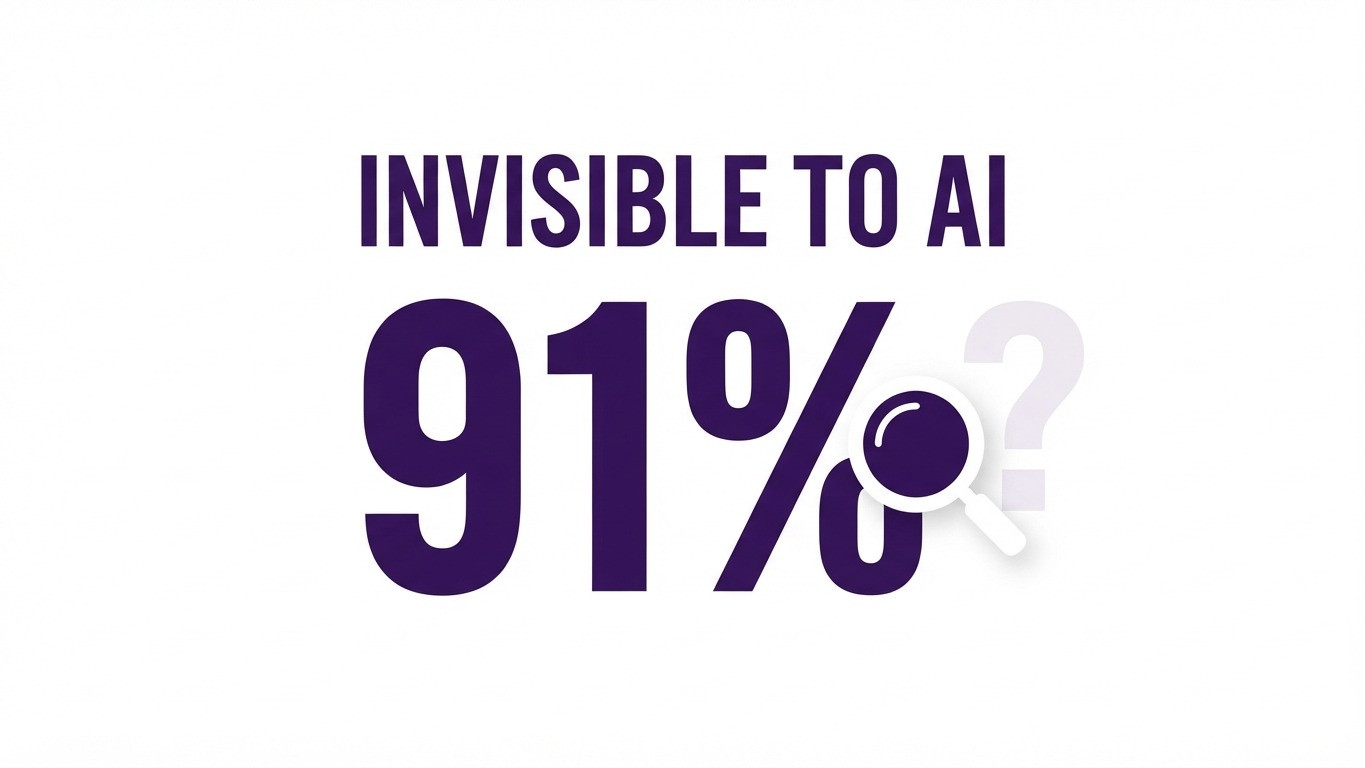
Answer engine optimization for real estate agents is quickly becoming as important as traditional SEO — maybe more so. A new HousingWire report puts a number on a shift agents have been feeling for a while: 67% of property buyers now start their home search using generative AI tools instead of a search engine, and 91% of agents don’t appear anywhere when those AI tools answer a buyer’s question.

The Shift From Search Engines to Answer Engines
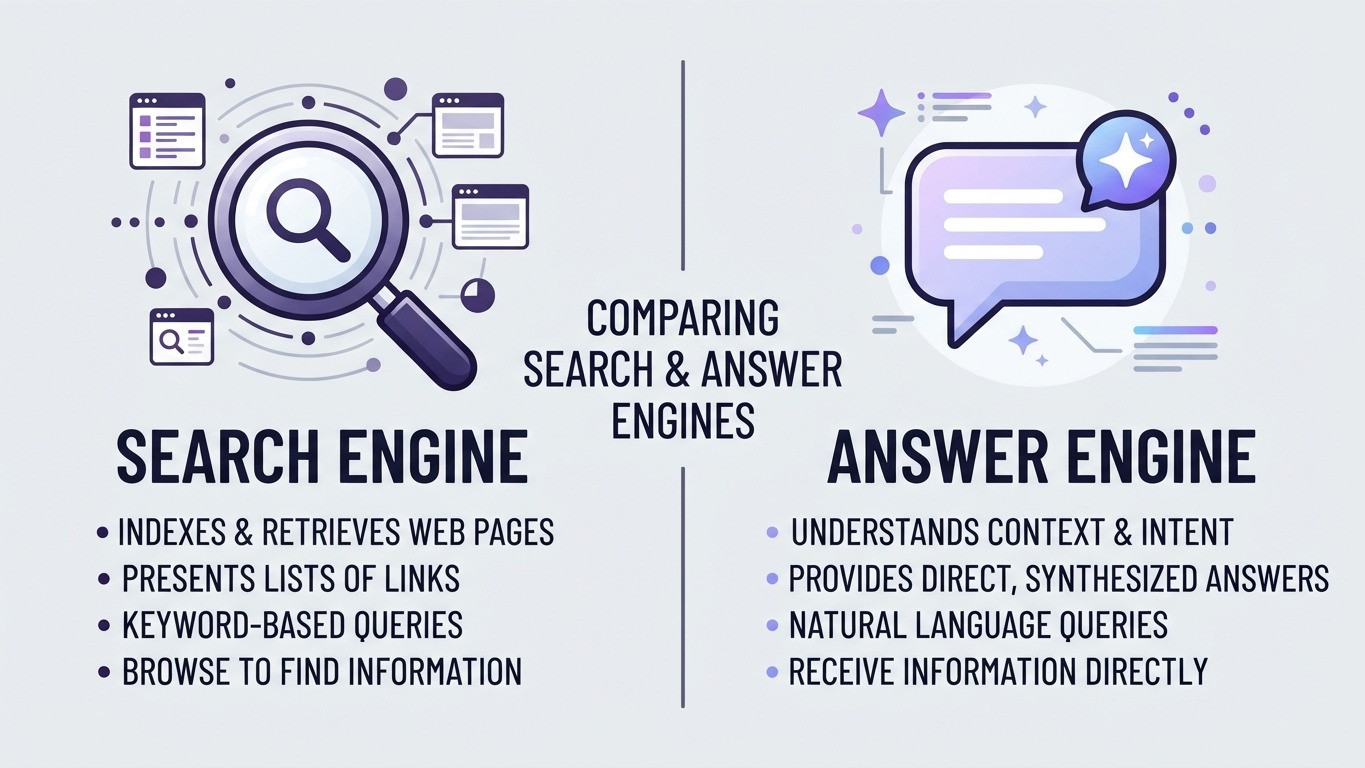
For twenty years, “getting found online” meant ranking on a search results page a buyer would scroll through and click. Answer engines — the AI chat interfaces buyers now use inside ChatGPT, Google’s AI Overviews, and platform-specific tools like CoStar’s new AI chat interface for multifamily data — skip the results page entirely. The AI reads the available data, generates a direct answer, and the buyer never sees a list of links to click at all. If an agent’s listings, reviews, and market expertise aren’t structured in a way an AI system can parse and cite, that agent simply isn’t part of the answer.
That’s the mechanism behind the HousingWire finding: it isn’t that agents are doing anything wrong by old SEO standards, it’s that the entire channel buyers use to find them has moved to a format most agent websites and profiles were never built for. Answer engine optimization for real estate agents is the practice of fixing that — structuring content, listings, and business information so AI systems can actually surface an agent as part of their answer.
Why This Matters More Than a Typical Algorithm Update
A search engine ranking change is something agents can usually recover from with a content refresh. Losing visibility to an answer engine is different, because the AI isn’t ranking a page — it’s deciding whether an agent exists as an option at all. When 67% of buyers are already starting there and 91% of agents are absent from the answer, the agents inside that remaining 9% aren’t just ranking higher. They’re the only names buyers hear before they’ve even started actively shopping for an agent.
This is also compounding fast. Every major real estate data platform now has an incentive to build its own answer engine — CoStar’s multifamily AI chat interface, drawing on a site with roughly 131 million average monthly visitors, is one example of how much surface area is shifting toward AI-mediated answers rather than direct agent-to-buyer contact.

Answer Engine Optimization for Real Estate Agents in Practice
The good news is that fixing AI visibility doesn’t require a new website — it requires making existing information legible to AI systems the same way it’s legible to a human:
- Structured, specific listing data. AI systems favor clear, structured facts (price, neighborhood, school zone, days on market) over marketing copy — make sure that data is present and consistent everywhere an agent’s listings appear.
- Reviews and credentials AI can actually read. Testimonials trapped in an image or a PDF are invisible to an answer engine; the same content as plain text on a crawlable page is not.
- A conversational front door. An AI chat assistant on an agent’s own site gives buyers who arrive expecting an AI-style interaction somewhere to actually engage, instead of bouncing to a competitor’s answer engine result.
- Consistent NAP and market-area facts everywhere. Name, market area, specialty, and contact details need to match across every profile and directory an AI system might pull from.
That third point is where most agents have the fastest path to improvement. A real estate AI chatbot built for lead capture doesn’t just answer questions faster than a contact form — it gives an agent a structured, always-on presence that both human buyers and AI answer engines can point to, instead of a static page an AI system has no reason to cite.
Related Reading
Start with our breakdown of the best AI chatbots for real estate lead capture — it’s the fastest way to give buyers (and AI systems) a structured, citable presence instead of a static contact form. If you’re also evaluating tools to handle the qualification and follow-up work once a lead engages, our guide to the best AI virtual assistants for real estate covers that next step.
Final Thoughts
Answer engine optimization for real estate agents isn’t a future problem — the HousingWire numbers say it’s already here, and the gap between the 9% of agents showing up in AI answers and the 91% who aren’t is only going to get more expensive to close the longer it’s ignored. The agents treating this as the new front door to lead generation, rather than a minor SEO footnote, are the ones who’ll still be visible when buyers stop clicking search results altogether.
