
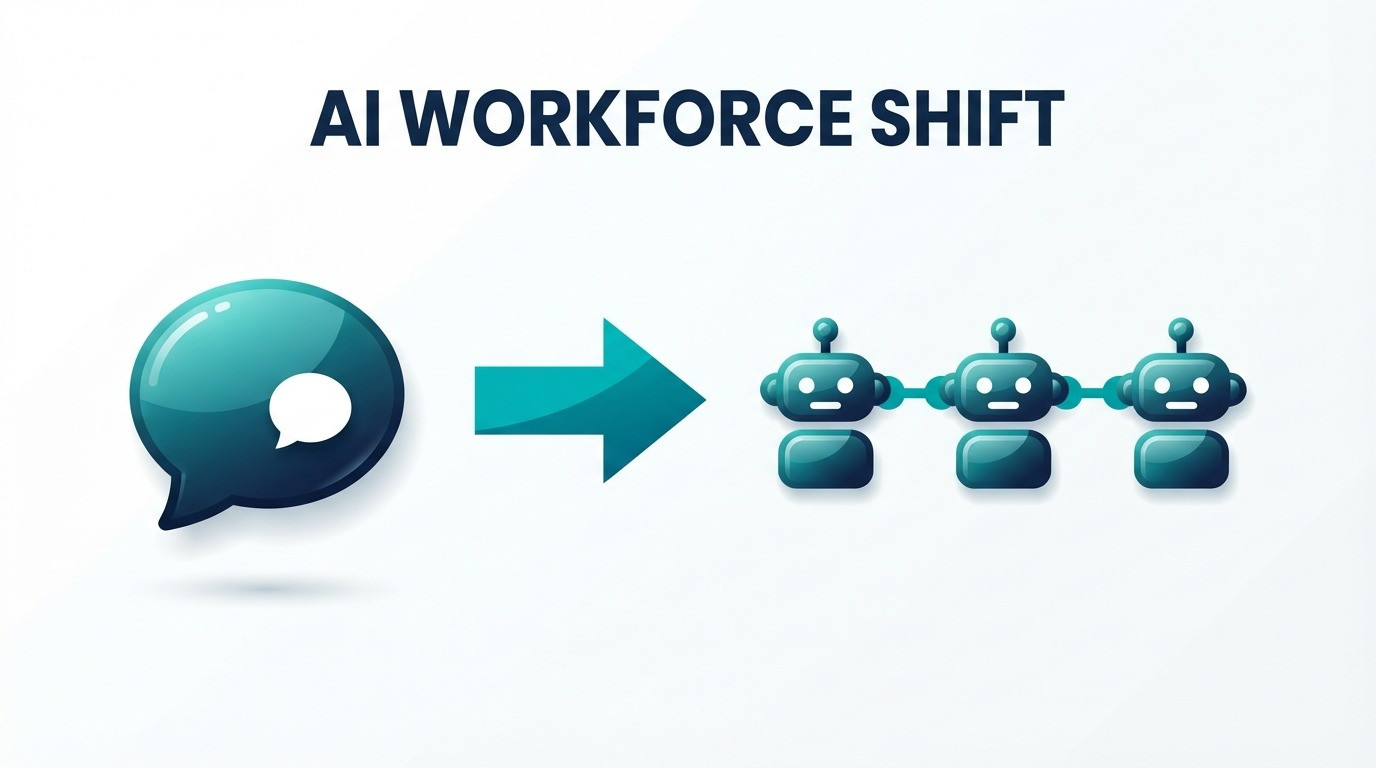
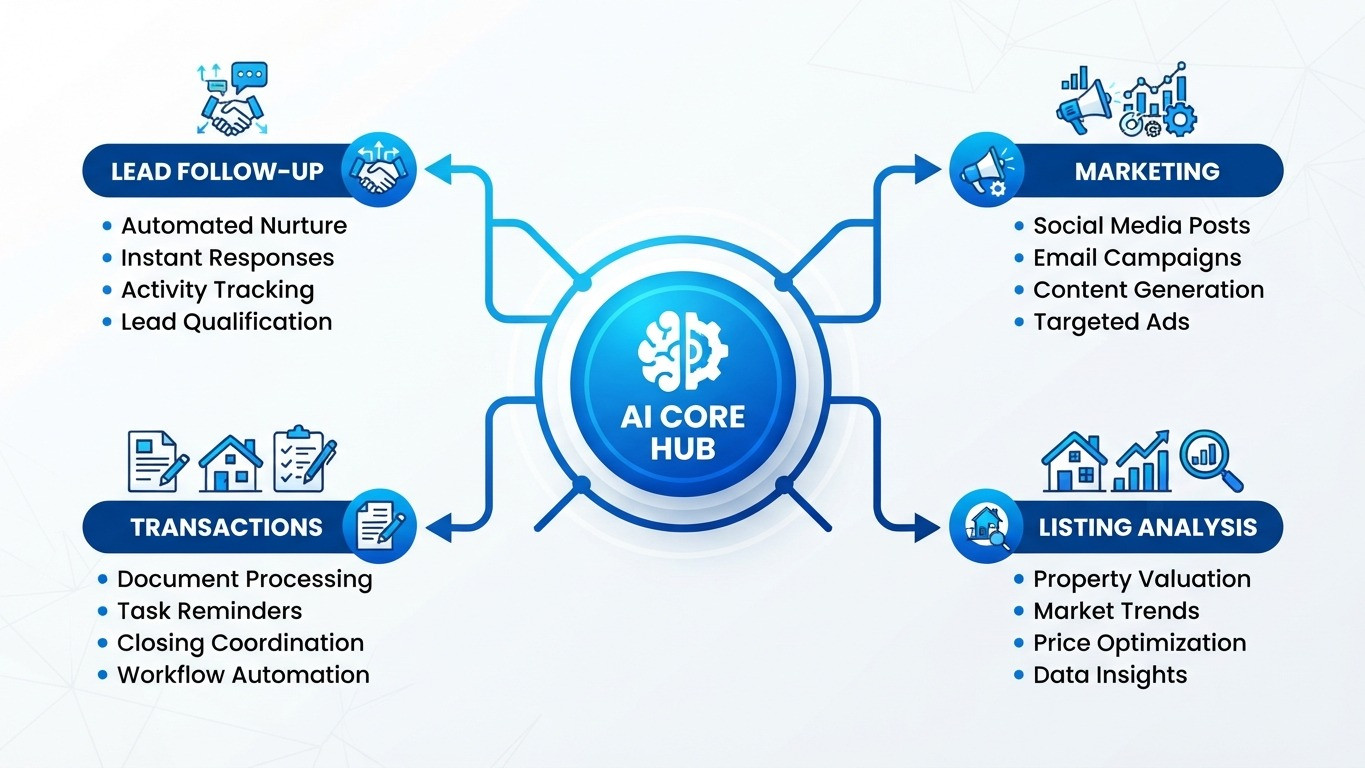
Two product launches in the same week just made the case for an autonomous ai workforce real estate teams a lot more concrete. Rechat shipped an MCP server that connects Claude and ChatGPT directly to its platform, letting agents manage contacts, marketing campaigns, and deal status through natural language instead of clicking through software. Days later, RealAnalytica launched Atlas Agents, a set of AI agents that handle lead follow-up, transaction management, marketing, and listing analysis with minimal setup.

What Actually Shipped This Week
The Rechat MCP server is the more technical of the two moves: it lets any MCP-compatible AI client, including Claude and ChatGPT, carry out tasks inside Rechat using an agent’s own contacts, marketing, and transaction data, with OAuth-based permissioning so the AI only sees what it’s authorized to touch. RealAnalytica’s approach is more turnkey — Atlas Agents launched August 5 with real-estate-specific workflows built in across more than 30 integrations, so a team doesn’t have to write its own prompts to get agents working on lead follow-up or transaction tracking.
Different approaches, same underlying shift: both are explicitly designed for an agent to hand off a goal — not a single task — and have the AI carry out the steps.
How This Is Different From the Chatbot Your Team Already Has
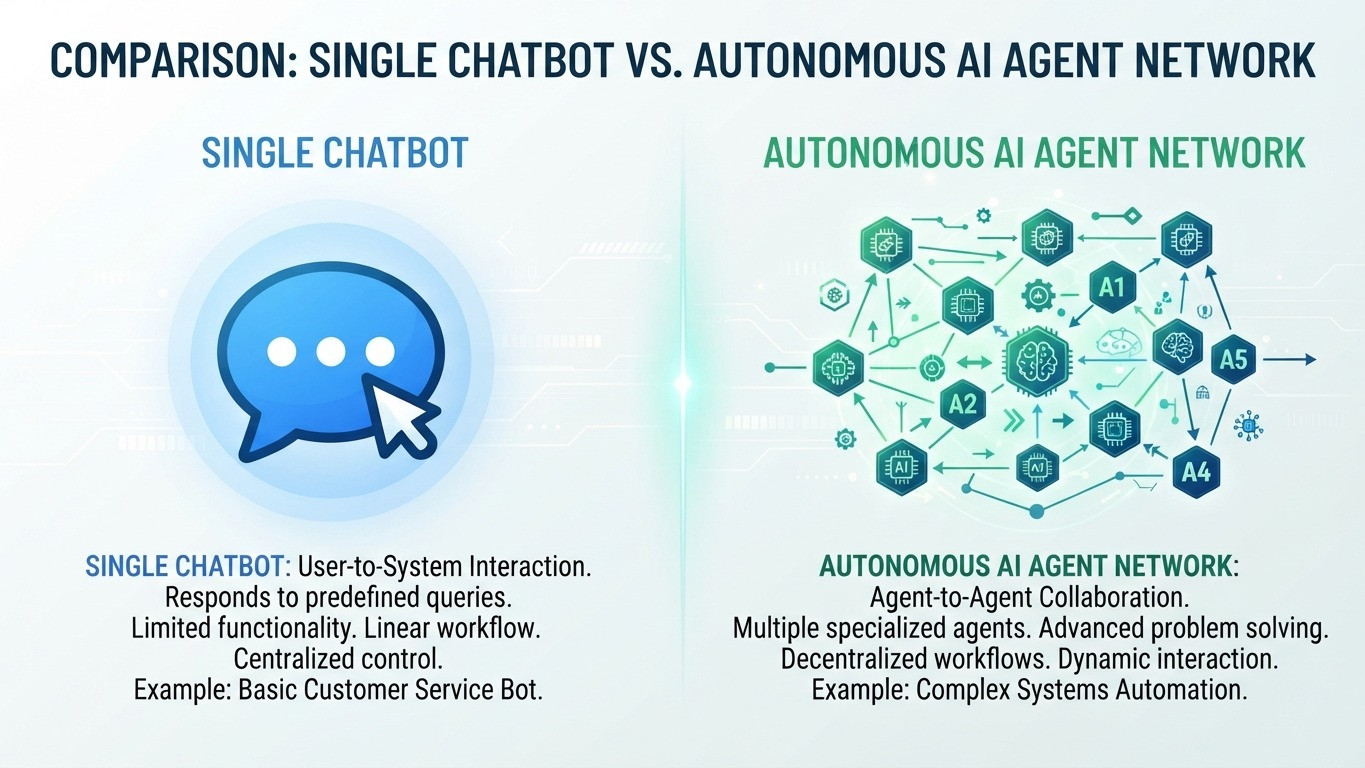
A chatbot answers the question in front of it. An autonomous ai workforce real estate teams is built to take a goal like “follow up with every lead who hasn’t heard from us in 48 hours,” check the CRM, draft the message, and — depending on how much autonomy a team allows — send it without someone approving each individual step. That’s the practical difference: a chatbot waits to be asked something, an AI agent keeps working in the background on standing instructions.
This matters for teams that already have a chatbot handling first-response and lead qualification. An autonomous ai workforce real estate teams doesn’t replace that layer — it extends past it into the follow-up, transaction, and marketing work that used to require someone remembering to do it manually on a schedule.

What to Evaluate Before Adopting an Autonomous AI Workforce Real Estate Teams Can Trust
Teams considering an autonomous ai workforce real estate teams should look past the demo and check a few specifics:
- Permission scope. Rechat’s OAuth model is worth using as a benchmark — an AI agent should only access the specific data and actions a team explicitly grants, not blanket account access.
- Approval gates on outbound actions. Autonomous doesn’t have to mean unsupervised — check whether the platform lets a team require approval before an agent sends a message or updates a transaction record.
- Integration depth, not integration count. A platform connecting to 30 tools is only useful if it connects to the specific CRM and MLS a team already relies on.
- What stays human. Both RealAnalytica’s and Rechat’s approaches are explicit that negotiation, client relationships, and final decisions stay with the agent — that’s a design choice worth confirming with any vendor, not assuming.
Teams that are still deciding whether their current chatbot setup can support this next step should start by reviewing what a real estate chatbot builder platform actually allows in terms of custom workflows and integrations — that’s usually the ceiling on how far a team can extend into agentic AI without switching tools entirely.
Related Reading
If your team is weighing whether to extend its current stack toward an AI workforce, start with how flexible its workflow tools are — the platforms that bend the furthest are the ones best positioned to grow into this. It’s also worth reading our breakdown of how to vet a real estate chatbot platform before committing to a single vendor’s ecosystem.
Final Thoughts
An autonomous ai workforce real estate teams isn’t a rebrand of the chatbot category — Rechat and RealAnalytica both shipped tools this week built around standing goals and multi-step execution, not single-turn answers. Teams don’t need to adopt the most autonomous version available on day one, but the permission model, approval gates, and integration depth questions above are worth answering before any team hands a growing share of its follow-up and transaction work to an agent working in the background.
