
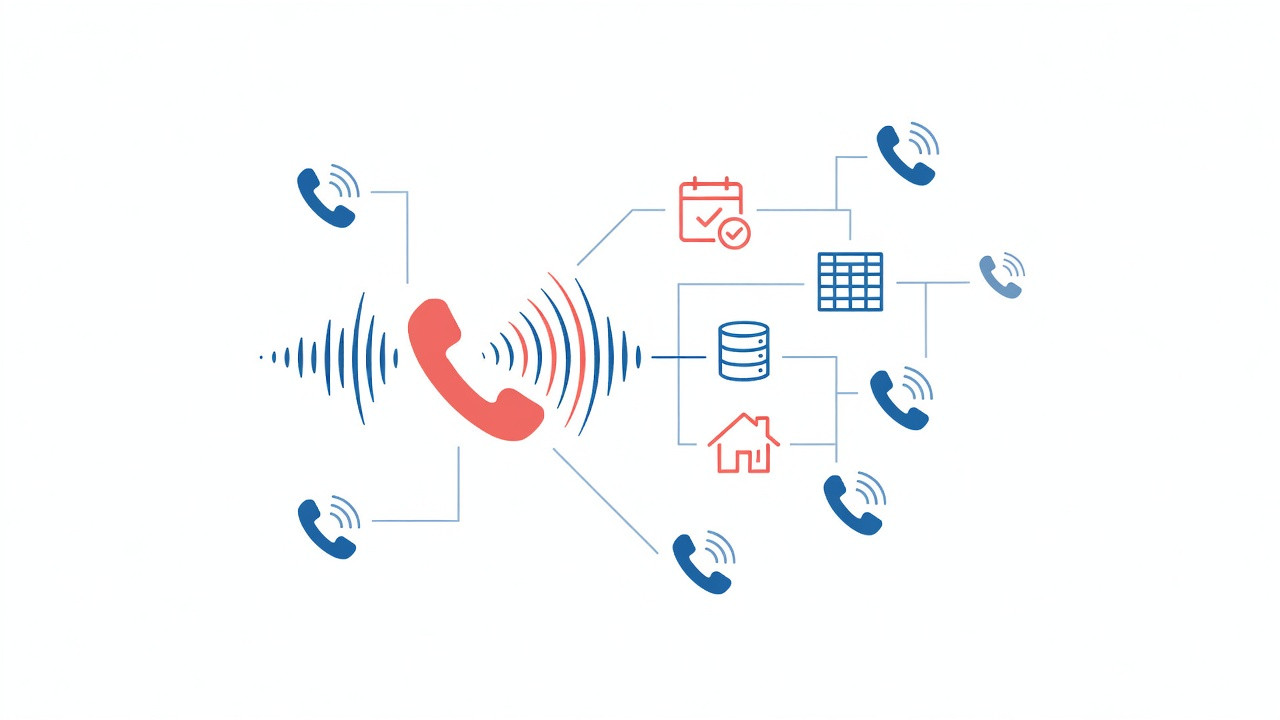
Facebook lead gen for realtors converts differently than portal leads, and treating it the same way is the most common reason the leads look cheap but never turn into showings. Here is what actually separates Facebook leads that book from the ones that go nowhere.
Why Facebook Leads Behave Differently
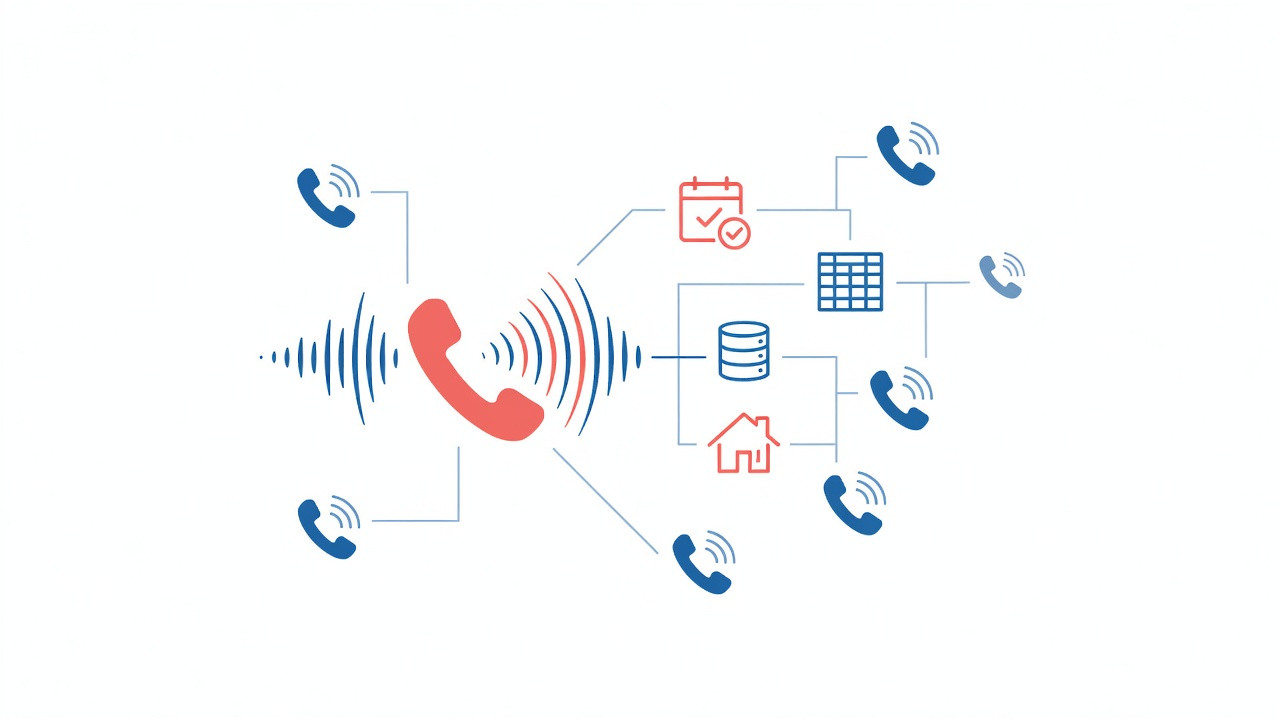
Meta’s native lead forms let someone submit interest without ever leaving the app — no landing page, no typing a phone number twice, no friction. That low friction is exactly why intent is lower on average than a portal lead who actively searched for a house: a Facebook lead often just tapped a form while scrolling, and follow-up speed matters even more than usual for turning that soft interest into an actual showing.
Compliance First: the Housing Special Ad Category
Before writing a single ad, set the campaign under Meta’s Housing Special Ad Category — it is non-negotiable for real estate advertising, not optional best practice. It restricts certain audience-targeting options specifically to prevent discriminatory ad delivery, which ties directly into the same Fair Housing obligations covered in our AI voice assistants for real estate guide. Skipping this category, or trying to route around it, risks the ad account itself, not just one campaign.
Ad Creative and Copy That Books Showings
The ads that convert to actual showings tend to share a few traits: real listing photos or a short walkthrough video instead of stock imagery, soft copy like “Still interested in [neighborhood]?” rather than a hard sell, and exactly one call to action — “Book a showing” or “Get full details,” not both competing on the same ad. A lead form built specifically for scheduling a showing outperforms a generic “get more info” form when the goal is bookings, not just contact volume. See LeadsBridge’s complete guide to Facebook lead generation for real estate for a deeper look at targeting and audience-building beyond the ad copy itself.
What Happens After the Lead Comes In Is What Determines ROI
Because Facebook lead intent starts lower than a portal search lead, the follow-up has to work harder to close the gap — see our guide to building follow-up for colder leads and our setup steps for the system that should catch every Facebook lead the moment it lands. A fast, relevant first response — ideally referencing the exact listing they tapped on — converts a casual scroll-and-tap into a real conversation far more often than a generic “thanks for your interest” auto-reply.
Build Lookalike Audiences From Real Closings, Not Just Leads
The strongest long-run targeting improvement usually is not a new interest or demographic filter — it is a Lookalike Audience built from actual past clients rather than from everyone who ever filled out a form. Clients who closed look different from leads who bounced after one touch, and the ad platform can tell the difference once it has that seed list to learn from.
Final Thoughts
Facebook lead gen for realtors works when the campaign respects the Housing Special Ad Category, the creative earns a real click instead of a passive scroll-by tap, and the follow-up system treats the lower starting intent as a reason to move faster, not slower. Cheap leads that never get called back are not actually cheap.
