

Realtor.com launched RealAssist on October 6, an agentic assistant built into the Realtor.com+ workspace, and the headline numbers are the easy part of the story. The part worth an agent’s attention is a design decision buried in the announcement: the system drafts client messages, then stops and waits. AI drafted messages agent approval is not a limitation the vendor apologized for. It is the product.
That choice is becoming the dividing line between AI tools agents keep and AI tools they quietly switch off.
What Realtor.com Actually Shipped
RealAssist went live on October 6 after a pilot that began in June, available through MLS partners serving more than 192,000 agents across 21 live markets, with adoption so far reaching up to 10% in those markets (Real Estate News).
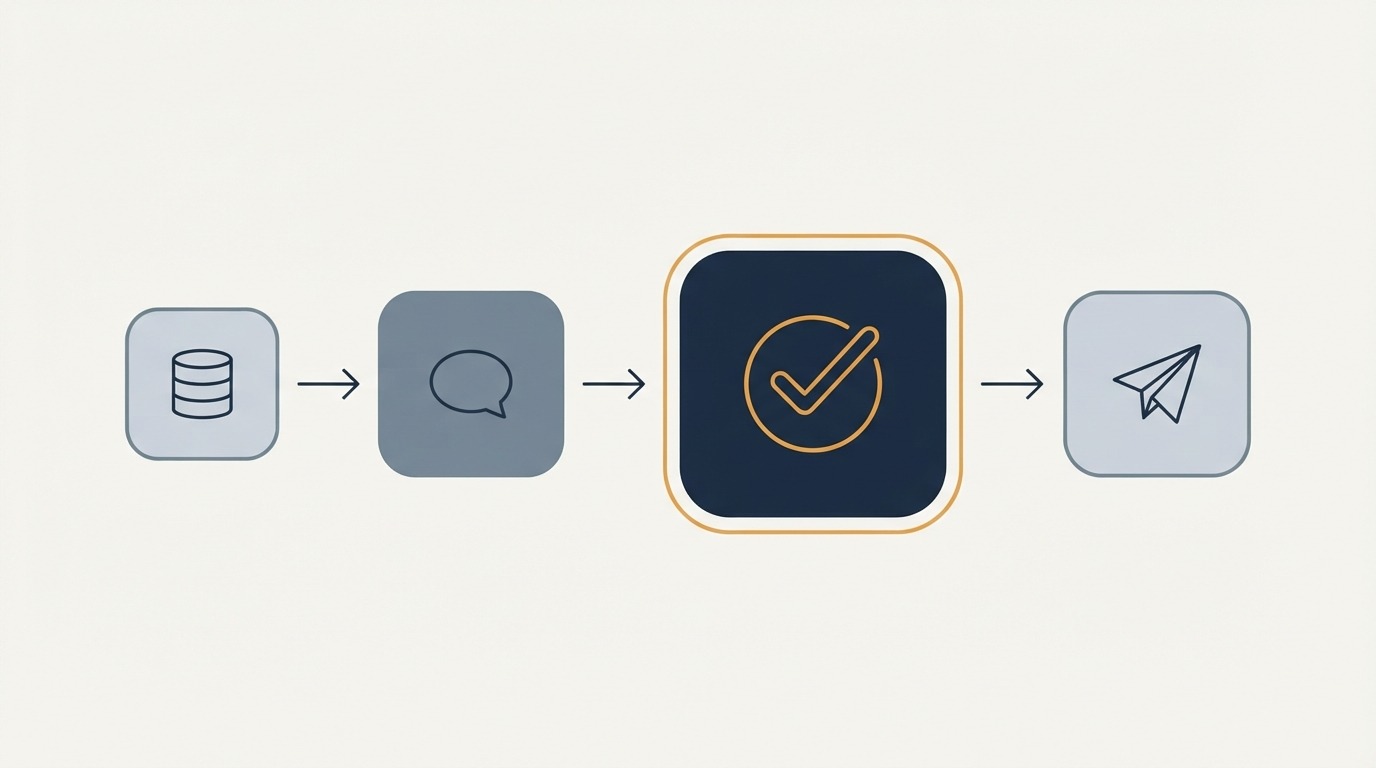
Three capabilities shipped with it. It builds custom home searches from a client’s stated preferences and the agent’s own notes. It produces a Daily Digest that summarizes client activity and proposes next steps. And it recommends actions and drafts client messages in the agent’s own tone, which the agent then reviews and approves before anything sends.
The same week brought a wearable safety device for agents working open houses, a property intelligence tie-up inside another AI platform, and a title production system. The assistant is the one that changes daily work.
Why AI Drafted Messages Agent Approval Is the Part That Matters
Most AI follow-up tools sold to agents over the last two years have been pitched on autonomy: it texts for you, it calls for you, it qualifies without you. The pitch is appealing and the failure mode is specific. A system that sends on its own is a system that sends the wrong thing on its own, at volume, to people whose business you were trying to win.
An approval gate changes what the tool is. It stops being an autonomous agent and becomes a drafting layer, which is a smaller claim and a far more defensible one. The agent still reads every message. The AI removes the blank page, not the judgment.
AI drafted messages agent approval matters for three reasons that have nothing to do with how good the model is. Accuracy is the first: an assistant working from listing data can state something that is simply wrong, and our breakdown of AI hallucination risk in listing content covers how confidently that happens. Software that acts on that draft without a human reading it is what brokerage leaders now say worries them most. Tone is the second, because a message that reads as machine-written costs more trust than the time it saved. And consent is the third, which is where the approval gate stops being a nicety.
The Compliance Angle Nobody Puts in the Press Release
The moment an AI assistant sends a text or places a call on a schedule, it is operating under consent rules that carry per-message penalties. A human approving each outbound message is not a complete compliance program, but it is a meaningful control, because someone is accountable for every send rather than for a configuration they set once in March.
Our guide to what is enforceable on consent right now covers the revocation rules that bind today and the keyword list your system has to recognize beyond the word STOP. Read it before you turn on anything that sends without you.
Where the Approval Gate Breaks Down
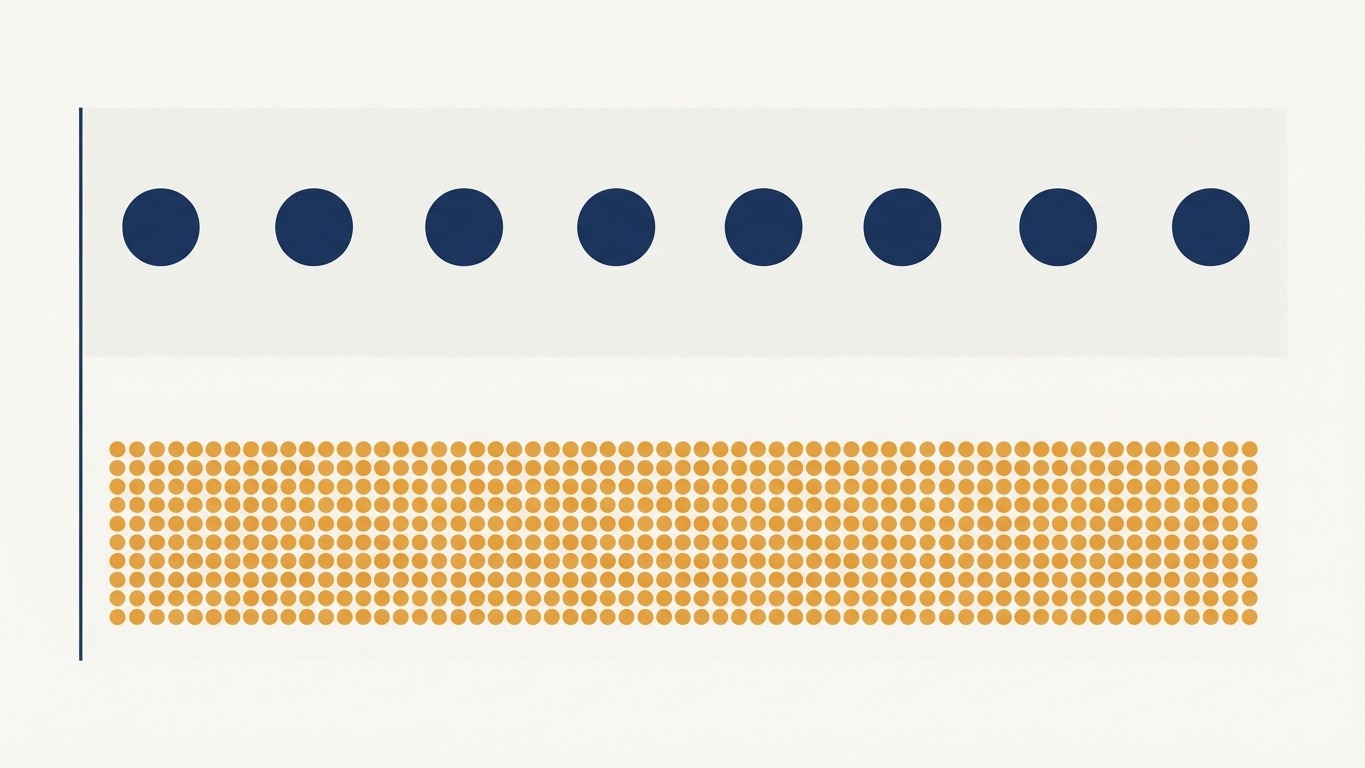
AI drafted messages agent approval has one obvious weakness, and it shows the moment volume climbs. An agent with 40 leads can review every draft. An agent with 400 starts approving in batches without reading, and an unread approval is autonomy with extra steps and a worse audit trail, because now there is a record showing a human signed off.
So the gate is only worth what the agent’s attention is worth, which means the useful version of this tool prioritizes. It should surface the ten drafts that matter today rather than ninety that are all equally plausible. That is a different capability from drafting, and it is the one most assistants skip: knowing which contact actually moved. Our breakdown of an AI intent layer for real estate CRM covers the piece that decides what reaches the top of that queue.
What to Check Before You Switch One On
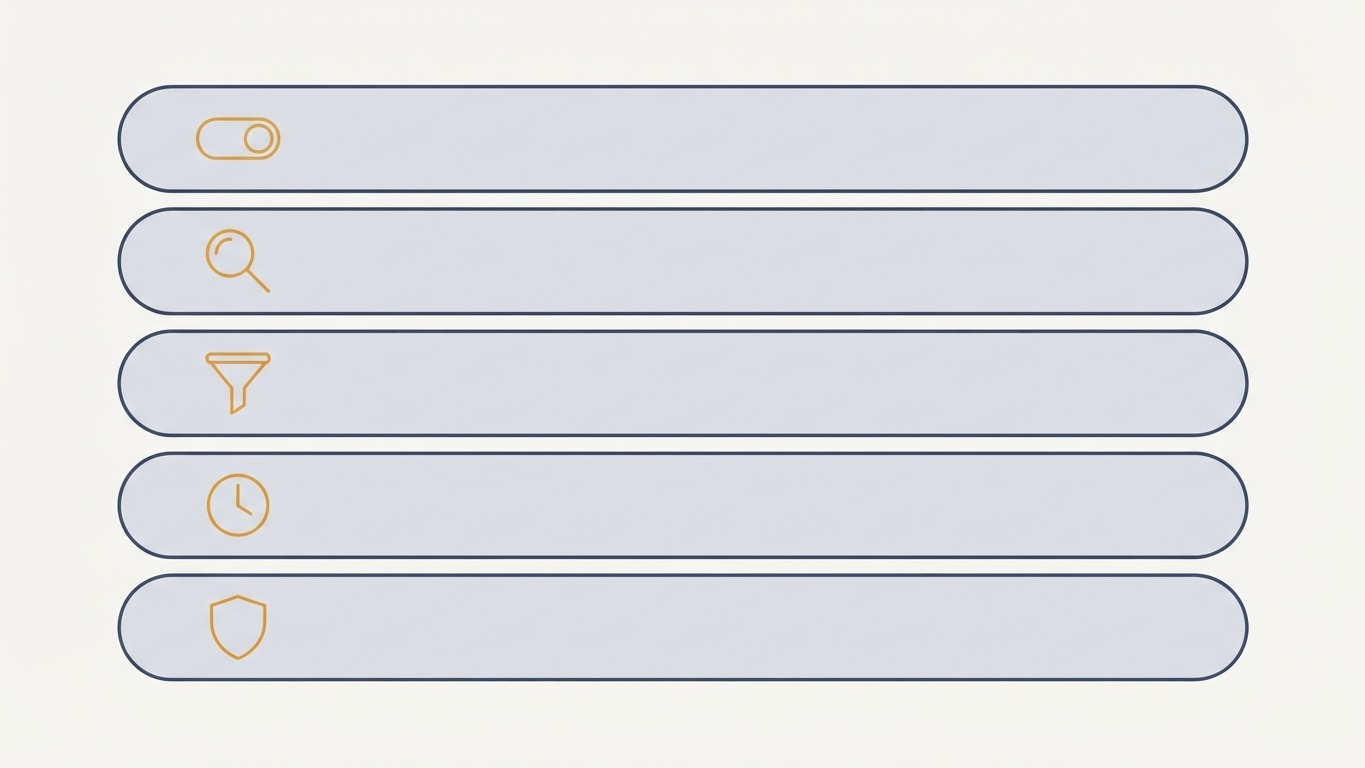
Whatever assistant sits in your stack, the questions to ask about AI drafted messages agent approval are the same, and none of them appear on a feature list:
- Can it send without you, and can that be turned off? Find the setting before you need it. Some tools default to autonomous and bury the toggle.
- Does the draft show its source? A message citing a price or a school district should let you see where that came from in one click, or you are approving a claim you cannot check.
- Does it rank, or just produce? Ninety drafts a day is not help. Ten ranked drafts is.
- What happens to a reply that arrives at 2am? The approval gate protects outbound. Inbound is a separate problem, covered in our guide to what to do with an overnight reply.
- Who is accountable on an audit? If your brokerage cannot produce who approved a specific message and when, the gate exists for the demo and not for the regulator.
Final Thoughts
The interesting thing about RealAssist is not that a large portal shipped an assistant. Everyone is shipping one. It is that the biggest distribution in the industry chose the cautious design, and chose to say so out loud, at a moment when the competitive pressure runs the other way.
Agents evaluating any of this should read that as a signal rather than a constraint. The question to ask a vendor is not how much the AI can do alone. It is what the AI does when it is not sure, and whether the answer is to ask you. For a broader view of how these layers fit on top of the system of record, see our guide to AI CRM for real estate.
AI drafted messages agent approval is a modest promise. Modest promises are the ones that survive a year of real use.
