
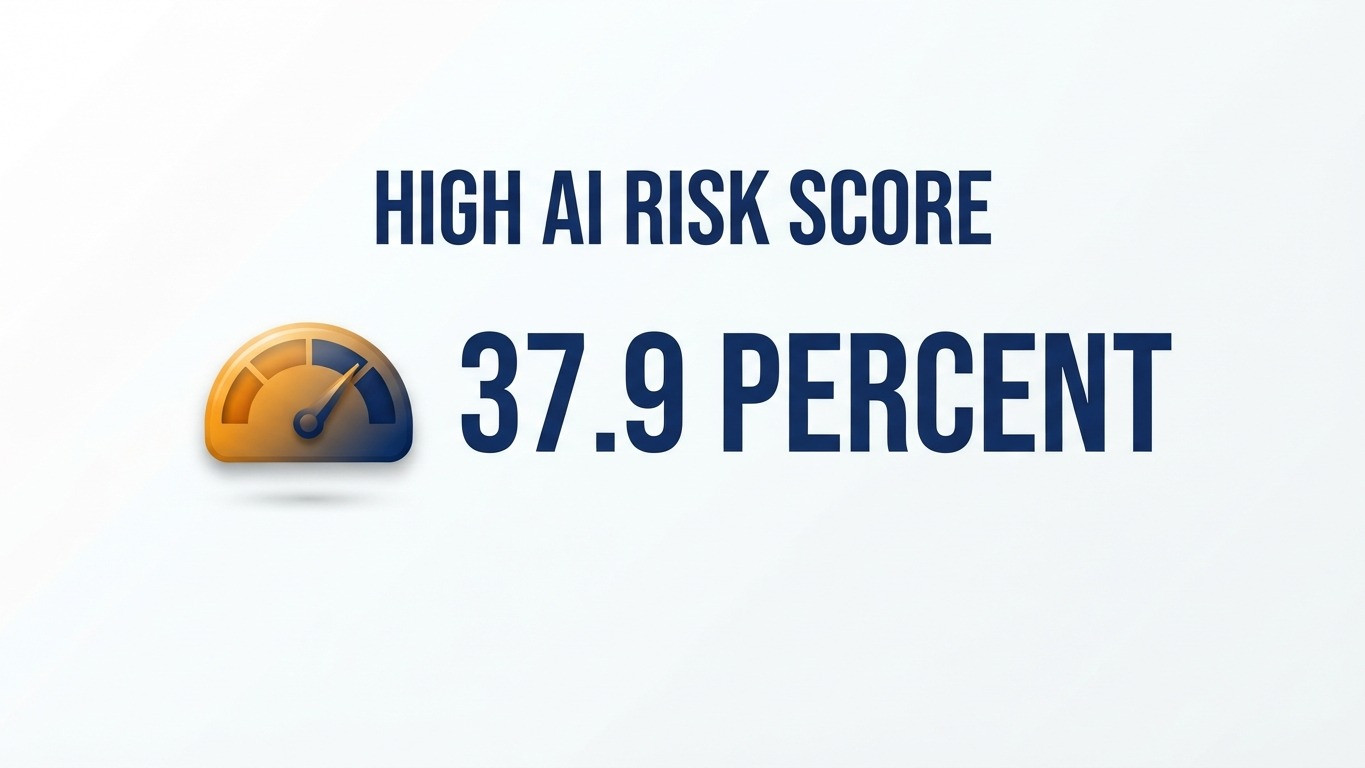
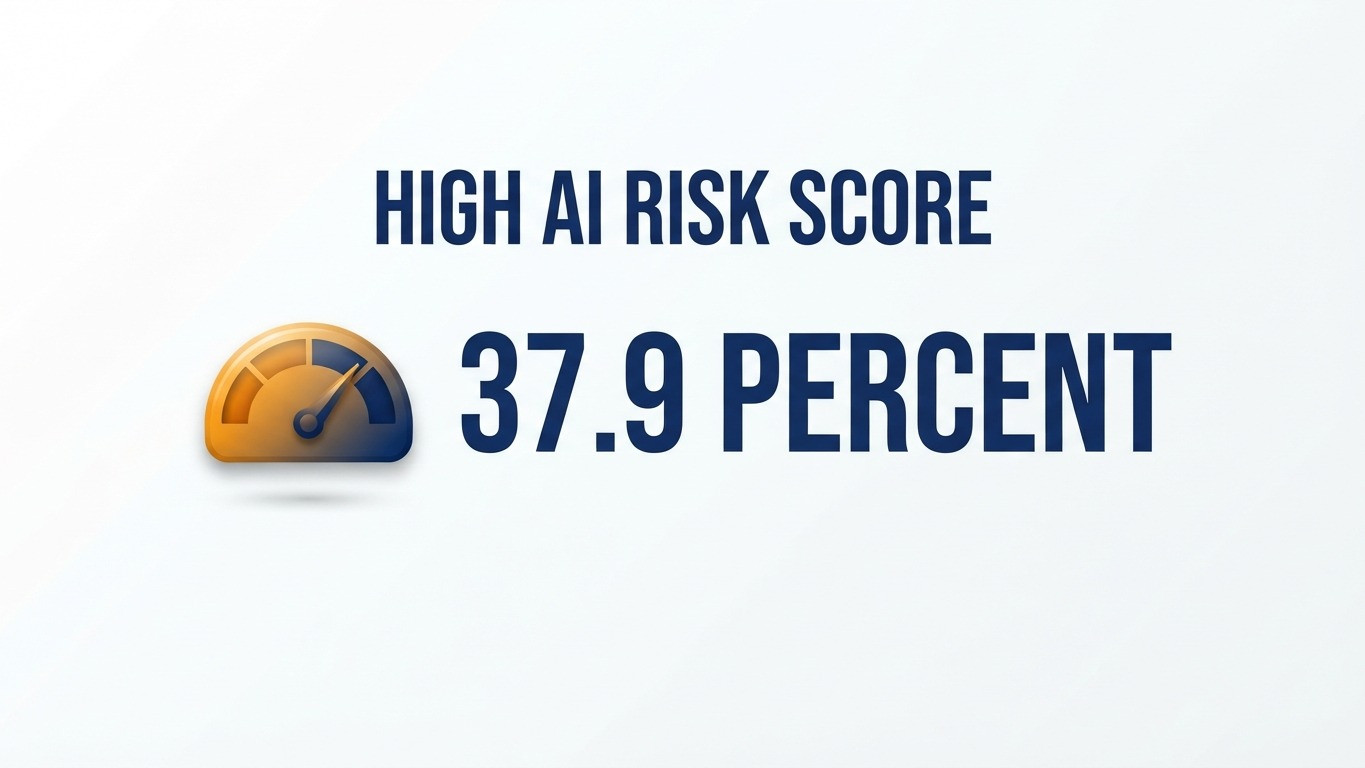
After two years of AI worry trending down among brokerage leadership, the number just reversed. A new industry survey found the average AI risk worry score among brokerage leaders rebounded to 6.38 in 2026, and the share rating AI risk an 8, 9, or 10 climbed to 37.9%. The agentic ai risk concerns real estate brokerage leaders driving that jump are not the same worries leaders had two years ago. This is the first year the survey asked specifically about agentic AI, tools that do not just draft an email but actually take action inside a system on their own, and that question changed the answers.

What Changed Between 2025 and 2026
According to HousingWire’s coverage, the survey does not claim agentic AI single-handedly caused the jump, but its emergence lines up with the reversal and adds a new category of question leaders had not previously had to answer: what happens when an AI system does not just suggest an action but executes it, updating a record, sending a message, or moving a transaction step forward without a person clicking approve first.
That distinction matters more than it sounds. A chatbot that drafts a follow-up email for a human to review carries a very different risk profile than an AI agent that sends the email itself, and 2026 is the first year enough brokerages have the second kind running that leadership had to start asking about it directly.
Compliance and Data Security Top the List, Unevenly
The concerns break down in a way worth noticing. Among female brokerage leaders, 71.4% cited compliance with real estate regulations as a top AI concern, compared with 39.1% of male leaders. Data privacy and security followed a similar pattern, cited by 65.7% of women versus 48.4% of men. Male leaders, meanwhile, were more likely to flag AI cost and return on investment as their primary worry, at 51.6% versus 28.6% for women.
Whatever the source of that gap, the underlying concerns themselves, compliance, data security, liability, and accountability when an AI system takes action, are the exact questions any brokerage adopting agentic AI tools needs a real answer to before rollout, not after something goes wrong.
Managing Agentic AI Risk Concerns Real Estate Brokerage Leaders Face
Three practices separate brokerages that can adopt agentic AI confidently from ones just hoping nothing breaks. First, define exactly which actions an AI agent can take without human approval and which ones require a person to sign off, in writing, before the tool goes live. Second, keep an audit log of every action an agent takes automatically, the same way a compliance team would want a record of any employee’s actions on client data.
Third, assign clear ownership. When an autonomous agent sends the wrong message or updates the wrong record, someone in the brokerage needs to already know it is their job to catch it, not discover the gap after a client complains.

Worry Is Not the Same as Avoidance
It is worth separating the headline number from what brokerages are actually doing. AI adoption itself keeps climbing even as worry scores rise, brokerages reporting zero AI use have fallen into the low single digits this year. Leaders are not backing away from agentic AI. They are asking sharper questions about it before they let it run unsupervised, and that shift in posture is really what the agentic ai risk concerns real estate brokerage leaders amount to this year.

Related Reading
If your brokerage is evaluating which CRM platform can support agentic AI without losing oversight, our guide to CRM platforms for brokerage teams breaks down which providers build in the audit trails and approval controls this kind of tool needs. It pairs well with our coverage of AI agent integration for real estate CRM platforms, since that is exactly the category of tool this survey’s rising worry score is responding to.
Final Thoughts
A rising worry score is not a reason to slow down AI adoption in real estate. Adoption is not slowing. The agentic ai risk concerns real estate brokerage leaders documented this year are a sign that brokerage leadership is finally asking the right questions about a category of tool powerful enough to deserve them. The brokerages that answer those questions with real policy, not just good intentions, will be the ones still comfortable running agentic AI a year from now.
