
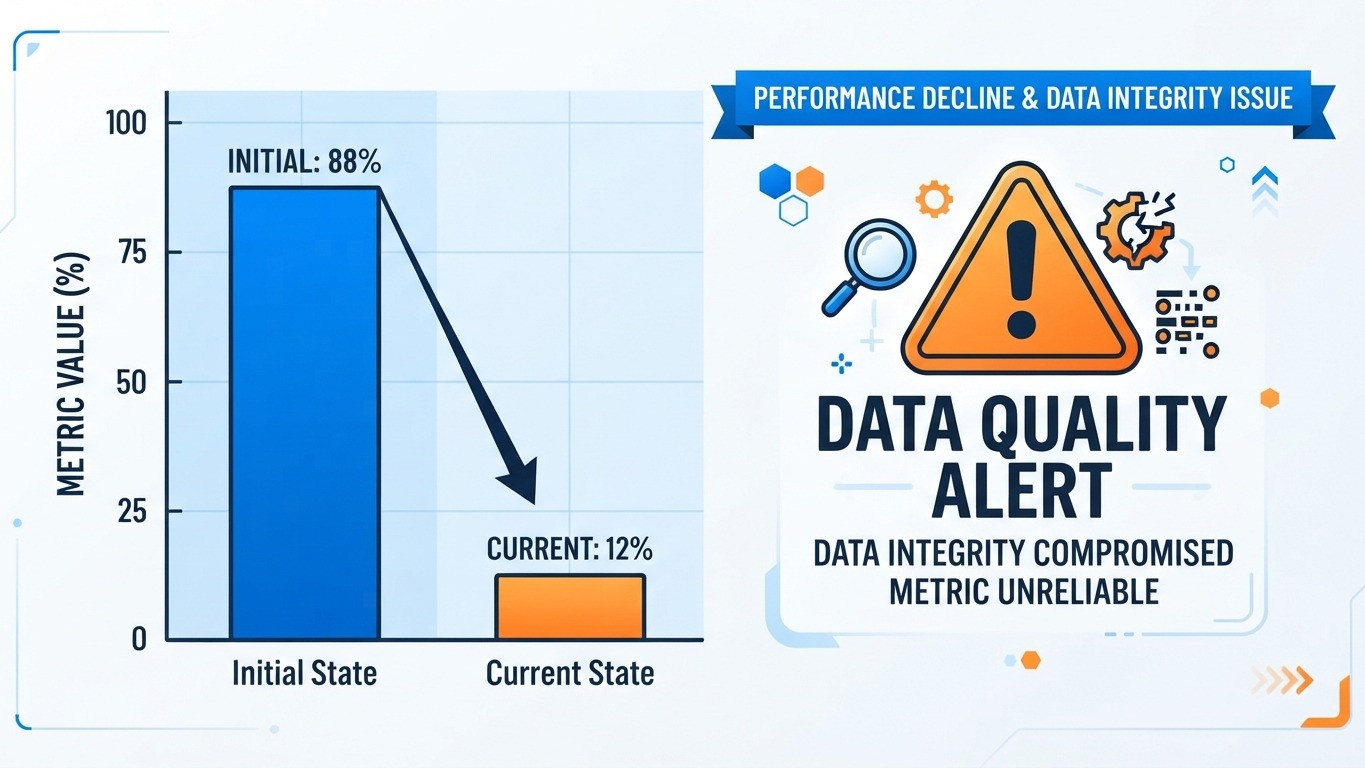
A new number should worry any brokerage that treated AI adoption as the finish line. Ai data readiness for real estate brokerages turns out to matter more than which AI tool a team buys. Deloitte’s 2026 commercial real estate outlook found the share of operators reporting a genuinely transformative impact from AI fell from 12 percent to just 1 percent in a single year, even as adoption kept climbing.

Why More AI Adoption Produced Less Impact
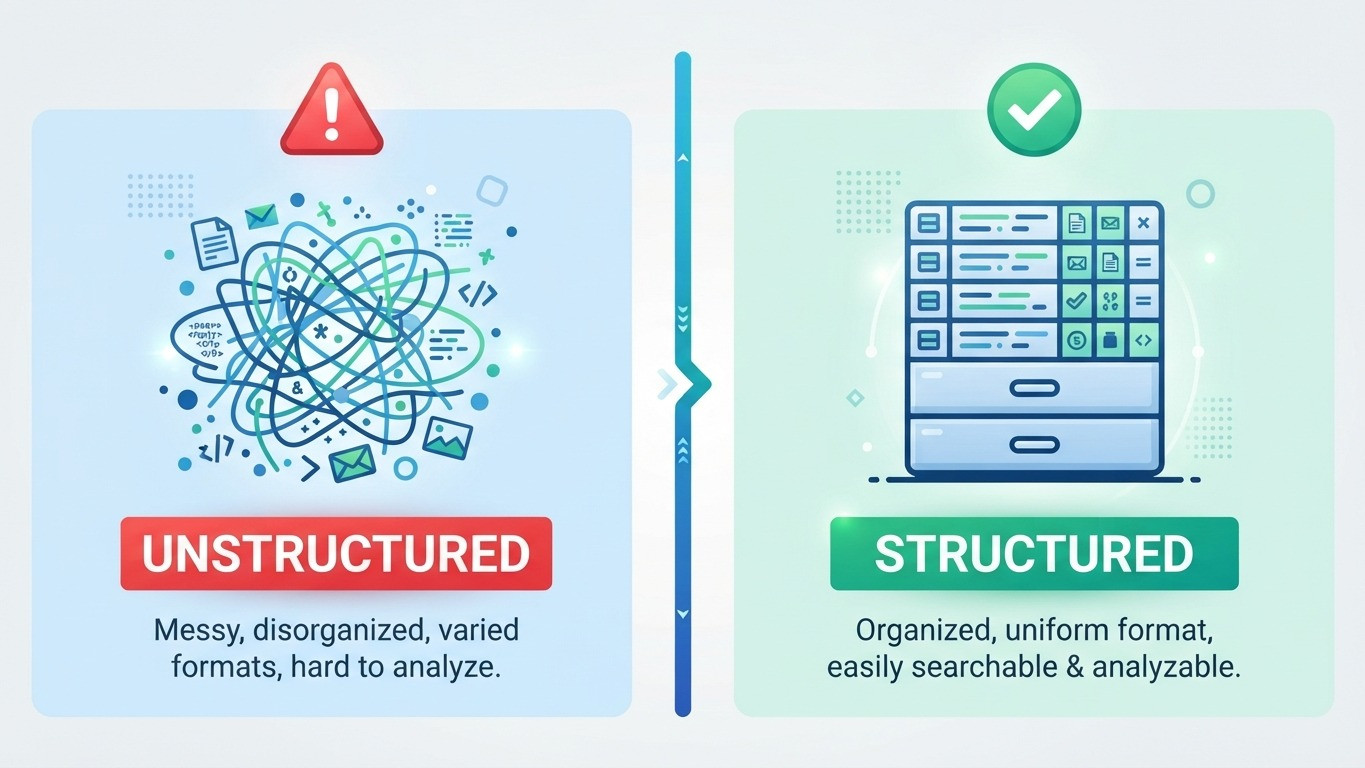
The Deloitte finding lines up with a pattern industry researchers keep flagging: brokerages deployed AI tools without first structuring the underlying data those tools depend on. An automated valuation model, a lead scoring system, or a predictive pricing tool is only as good as the property records, transaction history, and contact data it reads. When that data is scattered across spreadsheets, disconnected systems, and inconsistent formats, the AI layered on top produces noise instead of insight, no matter how advanced the model is.
This is the uncomfortable part of ai data readiness for real estate brokerages. It’s not a story about AI failing to deliver. It’s a story about brokerages skipping the unglamorous step, cleaning and centralizing their own data, before adding a tool that was always going to amplify whatever was already there, good or bad.
Where the Cracks Show Up First
Automated valuation models are a clear example of what happens when data quality is uneven. In 2026, these models can process thousands of data points and return a price estimate almost instantly, and they perform well at the metro market level. But analysis of AI property valuation in 2026 shows that in low-transaction ZIP codes, where the underlying data is thinner and less consistent, confidence intervals can widen to plus or minus 15 percent or more. The model isn’t broken. The data feeding it just isn’t dense or clean enough to support the same precision everywhere.
The same pattern shows up in lead scoring and CRM intent tools. A predictive model built on incomplete contact records, duplicate leads, or inconsistent field formats will confidently produce a wrong answer just as fast as a right one, and most agents have no way to tell the difference until a scored lead goes nowhere.

What Actually Improves AI Data Readiness for Real Estate Brokerages
None of this requires ripping out existing systems. It requires treating data hygiene as a prerequisite, not an afterthought:
- Centralize before you automate. Contact, transaction, and listing data scattered across multiple tools should live in one system of record before an AI layer reads from it.
- Standardize the fields that matter. Inconsistent formatting on property type, price, and contact fields is one of the fastest ways to degrade a model’s accuracy.
- Know where your data is thin. Low-transaction markets and long-dormant leads deserve extra scrutiny before trusting an automated score or valuation on them.
- Audit results against outcomes, not just adoption. Track whether AI-scored leads actually convert and whether AI valuations actually match closing prices, not just how many agents logged in.
A well-structured CRM is the foundation this all sits on. Understanding what CRM software actually does for a brokerage’s data before layering AI on top is the step Deloitte’s numbers suggest most operators skipped.
Related Reading
If your brokerage is deciding where to invest before adding more AI tools, start with the CRM itself, since structured CRM data is the foundation every AI layer above it depends on. It’s also worth reading about where AI earns its place in a CRM once the underlying data is actually clean enough to trust.
Final Thoughts
Ai data readiness for real estate brokerages isn’t the exciting part of an AI strategy, but Deloitte’s numbers make the cost of skipping it hard to ignore. A brokerage that buys the same AI tool as its competitor but has cleaner, more centralized data underneath it will get a genuinely different result. The 12 percent to 1 percent drop isn’t a verdict on AI. It’s a verdict on what most brokerages built it on top of.
