

Property data just became something you can talk to instead of something you have to query. On August 18, 2026, ATTOM introduced an expanded ATTOM Intelligence platform with an enhanced MCP Server and three specialized AI agents, adding a genuinely new category of ai property research tools real estate teams can plug directly into ChatGPT or Claude.

What ATTOM’s Three New Agents Actually Do
According to HousingWire’s coverage of the launch, the release introduces a Property & Place Insights Agent that answers direct property questions, a Data Analyst Agent that analyzes housing markets, and a Report Generation Agent that produces client-ready reports. All three connect through an MCP server, the same protocol standard that lets AI assistants like ChatGPT and Claude pull from external tools in real time, rather than through a traditional dashboard or API a developer has to wire up manually.
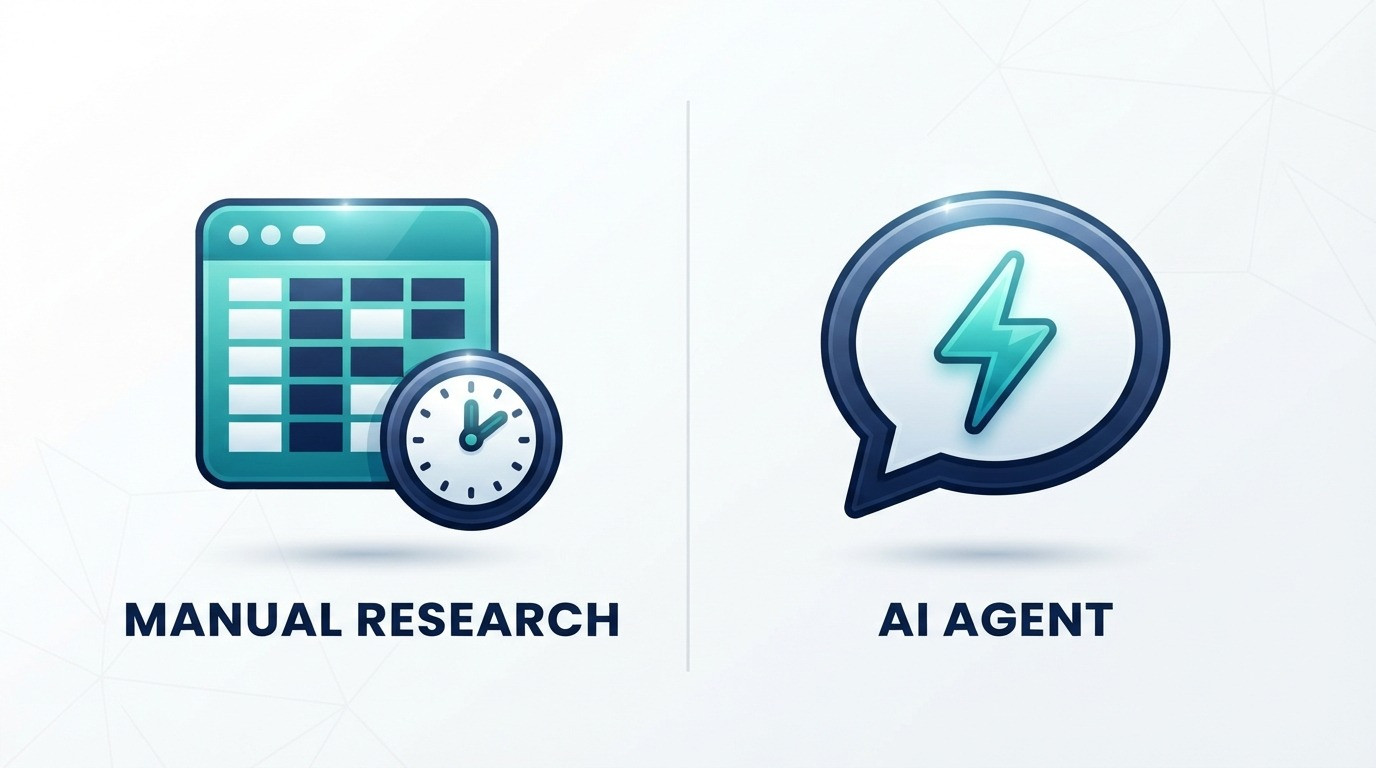
That distinction matters. Instead of a team member exporting a CSV and building a comparison in a spreadsheet, an agent can now ask a natural-language question and get an answer sourced from data covering more than 160 million US residential and commercial properties.

Why This Is a Different Category Than a Chatbot
Most AI tools real estate teams have adopted so far sit on the client-facing side, qualifying leads, answering buyer questions, scheduling showings. ATTOM’s move is squarely on the research and analysis side, the unglamorous work an agent or transaction coordinator does before a listing presentation or a comparative market analysis ever gets built.
Coverage from AI for CRE Collective notes ATTOM plans to keep adding specialized agents to the platform, suggesting property data providers see natural-language, agent-based access as the direction the whole industry is heading, not a one-off feature. For brokerages, that means the research grunt work behind pricing strategy and market reports is becoming something a team can delegate to software rather than an analyst’s afternoon.

How Ai Property Research Tools Real Estate Teams Adopt Should Fit the Workflow
Before plugging a tool like this into daily work, a few questions are worth answering first:
- Does it cite its source data? A market analysis is only as trustworthy as the underlying property records, and a good agent should be able to trace a claim back to its data source.
- Does it integrate with what the team already uses? An MCP-based agent that plugs into an existing CRM or reporting workflow saves far more time than one requiring a separate tab and a copy-paste habit.
- Who reviews the output before it reaches a client? A report generated in seconds still needs a human check before it goes into a listing presentation.
- What’s the actual data coverage? 160 million properties sounds comprehensive, but coverage depth can vary sharply by county and property type.
Ai property research tools real estate teams are experimenting with today are only half the picture, though. Once that market data feeds into a pricing strategy or a lead conversation, it needs a place to live. A well-chosen CRM tool built for real estate teams is what turns a sharp market insight into a tracked follow-up instead of a one-off report that gets forgotten in a downloads folder.
Related Reading
If your team is evaluating where AI-driven data tools fit into your existing stack, our roundup of top CRM tools for agents and teams is a good place to start. It’s also worth reading about how AI CRM tools help agents convert leads once the research side of the workflow is handled.
Final Thoughts
Ai property research tools real estate teams have relied on used to mean a login, a search form, and an export button. ATTOM’s move toward natural-language, agent-based access to 160 million properties suggests that model is already becoming outdated. The brokerages paying attention now will be the ones that spend less time building comparisons by hand and more time acting on what the data actually says.
