
A conversational chatbot is an AI-powered program that engages users in natural, back-and-forth dialogue — understanding intent, retaining context, and generating dynamic responses rather than selecting from a fixed script. For real estate agents, a conversational chatbot means every website visitor, every inbound inquiry, and every lead gets an immediate, intelligent response at any hour — without a human picking up the phone or typing a reply.
This guide explains exactly what a conversational chatbot is, how it works, how it differs from traditional chatbots, and which conversational chatbot solutions make the most sense for real estate teams in 2026.
What Is a Conversational Chatbot?
A conversational chatbot is software that simulates human conversation using artificial intelligence — specifically Natural Language Processing (NLP) and Large Language Models (LLMs). Unlike a basic chatbot that follows a fixed decision tree (“press 1 for pricing, press 2 for availability”), a conversational chatbot understands what the user is actually asking, maintains context across multiple messages, and generates a reply tailored to that specific conversation.
The core distinction is adaptability. A conversational chatbot can handle questions it was never explicitly programmed to answer. If a buyer asks “Is this neighborhood good for families with young kids?”, a traditional rule-based bot has no answer. A conversational chatbot draws on its knowledge base and training to provide a relevant, helpful response — and then remembers that context for the next message in the thread.
In the real estate context, a conversational chatbot acts as a 24/7 leasing agent, lead qualifier, and appointment booker. It can discuss specific properties, ask buyers about their timeline and budget, handle objections, and hand off warm, qualified leads to a human agent — all without any manual involvement.
How a Conversational Chatbot Works
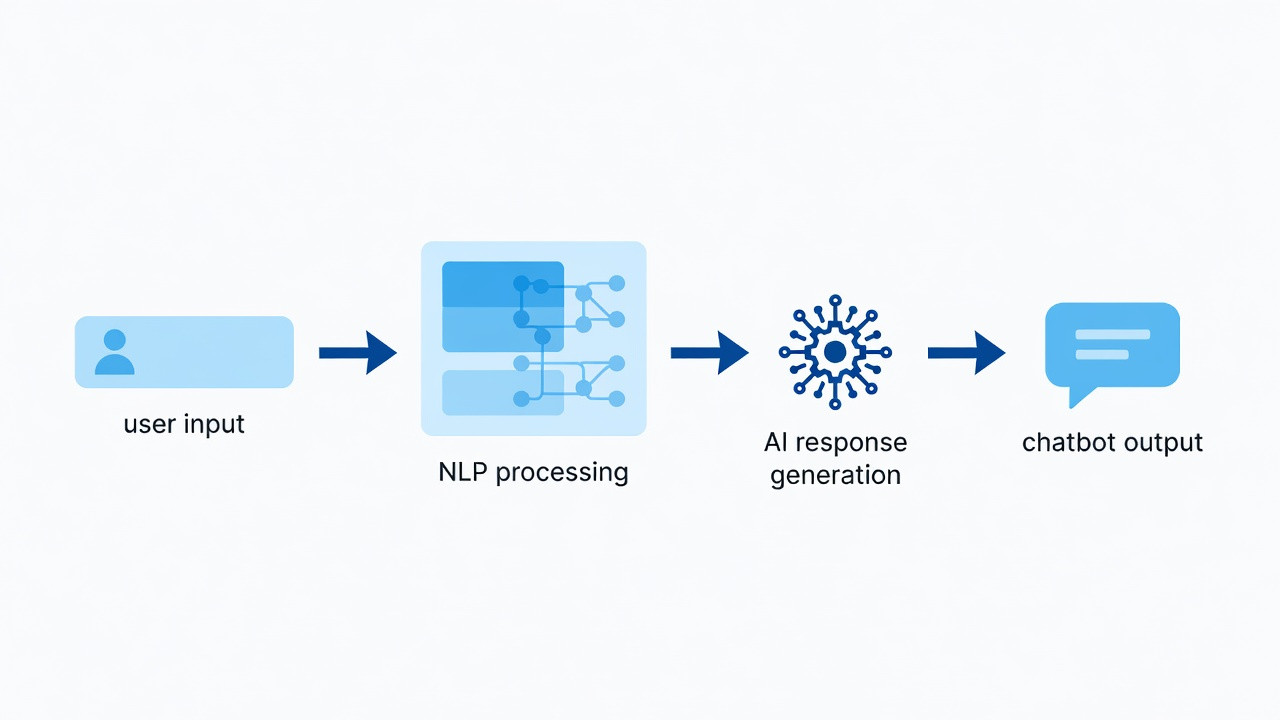
When a user sends a message to a conversational chatbot, several layers of AI processing happen in milliseconds:
1. Intent recognition — The NLP engine identifies what the user wants. “I’m looking for a 3-bed under $600K near good schools” is parsed into structured data: property type, budget, and a specific requirement.
2. Context retention — The conversational chatbot stores the conversation history so every reply accounts for what has already been said. If the user follows up with “What about this one?”, the bot knows which listing they mean.
3. Response generation — The LLM generates a natural-language reply based on the intent, the conversation history, and the knowledge base (your listings, FAQs, qualification criteria). The response is generated fresh for each message, not selected from a list of pre-written answers.
4. Action triggering — Modern conversational chatbots can take actions mid-conversation: checking calendar availability, booking an appointment, sending a follow-up SMS, or pushing a lead record to your CRM.
Conversational Chatbot vs. Traditional Chatbot
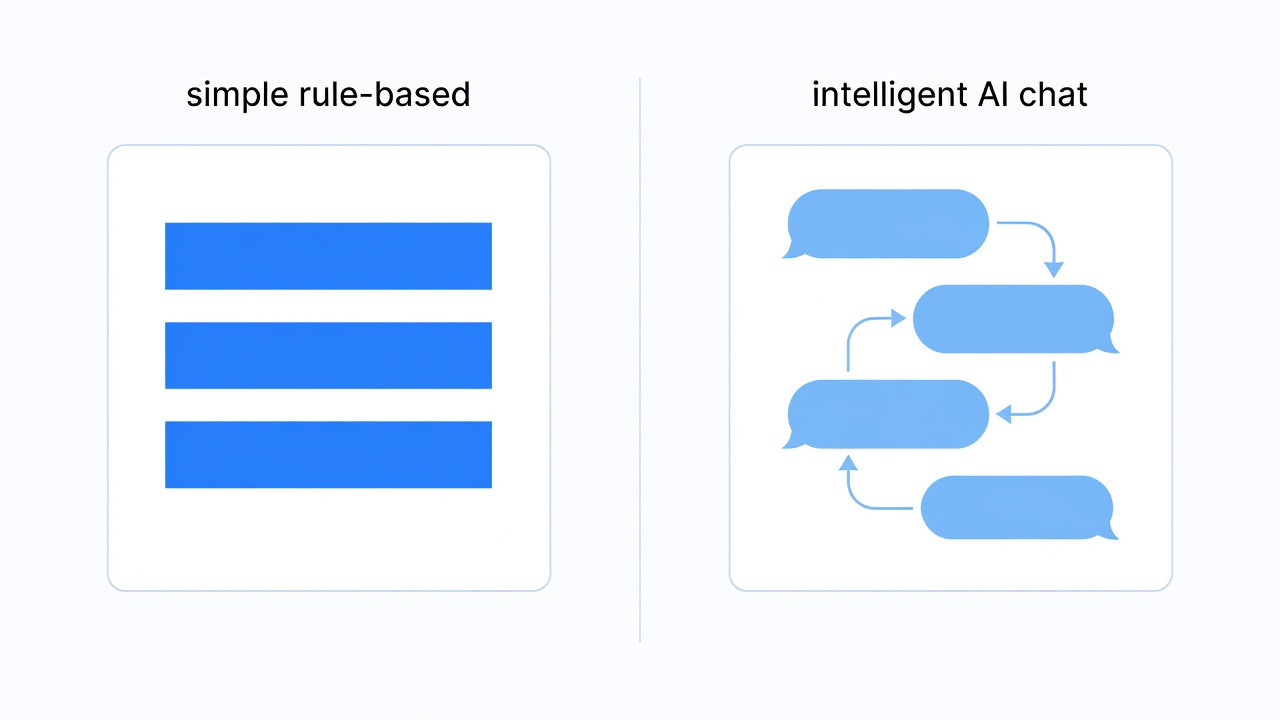
| Feature | Traditional Chatbot | Conversational Chatbot |
|---|---|---|
| How it responds | Selects from pre-written scripts | Generates dynamic responses |
| Language understanding | Keyword matching | Full NLP intent recognition |
| Context memory | Limited to current flow step | Full conversation history |
| Handles unexpected questions | Fails or gives generic fallback | Responds naturally |
| Personalization | None | High — adapts to each user |
| Setup complexity | Low — visual builders | Medium — requires training |
| Cost | Free – $50/month | $100 – $500+/month |
| Best for real estate | FAQ automation, simple booking | Lead qualification, nurturing, complex Q&A |
The right choice depends on your lead volume and qualification complexity. For agents handling fewer than 50 leads per month with simple, predictable inquiries, a traditional chatbot covers the basics. For teams handling significant inbound volume where qualification depth matters, a conversational chatbot pays for itself in closed deals within the first month.
Real Estate Use Cases for a Conversational Chatbot
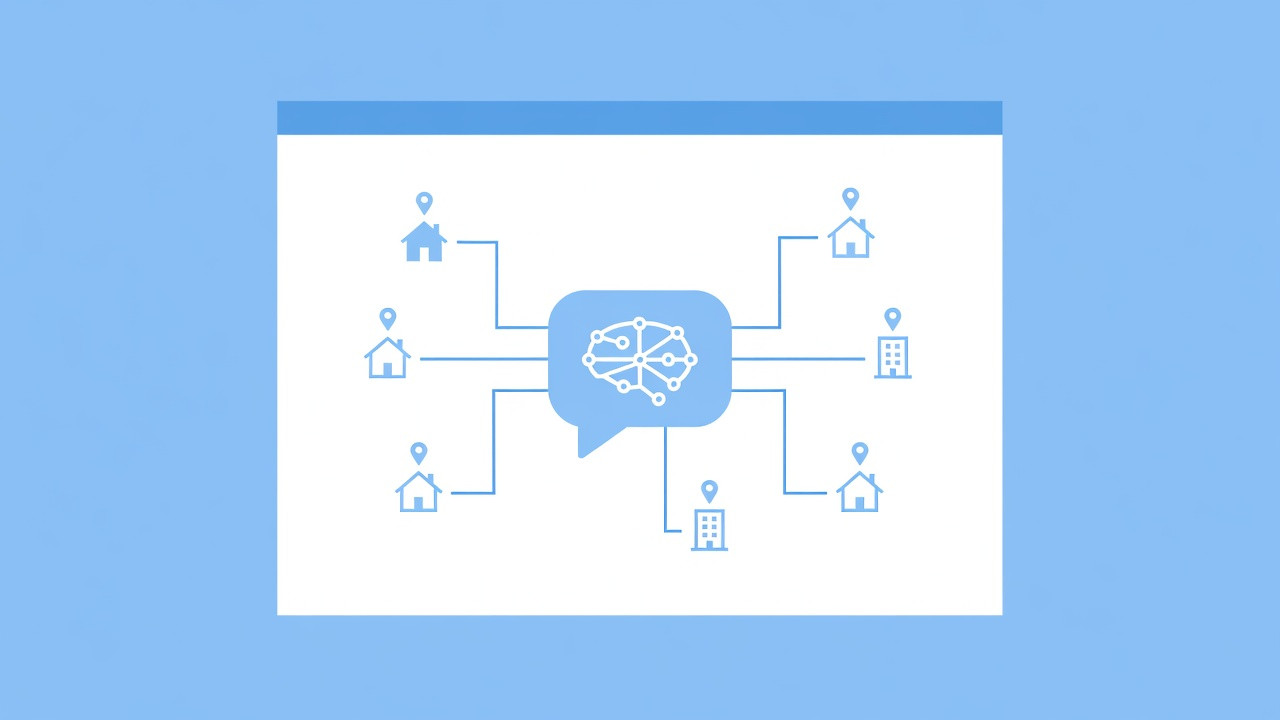
Lead qualification at scale is the primary use case for a conversational chatbot in real estate. When a buyer submits an inquiry or chats on your website, the conversational chatbot immediately engages — asking about their timeline, budget, pre-approval status, and property preferences. By the time a human agent sees the lead, they have a complete qualification profile and a conversation transcript showing the lead’s actual words and intent.
24/7 inbound response eliminates the speed-to-lead problem. The NAR reports that 78% of buyers choose the first agent to respond — a conversational chatbot ensures your team always responds first, regardless of the time of day. Leads submitted at midnight receive an immediate, intelligent reply rather than a voicemail or delayed email.
Long-term lead nurturing is where conversational chatbots outperform every other automation tool. Most real estate leads are 6–18 months from transacting. A conversational chatbot sustains genuine dialogue over that period — responding to behavioral triggers like a lead revisiting a listing, adjusting follow-up cadence based on engagement, and re-engaging cold leads with personalized outreach. This is beyond the capability of any drip email sequence or traditional chatbot.
Appointment booking is handled end-to-end by a conversational chatbot without any human involvement. The bot checks calendar availability in real time, proposes times, confirms the appointment, and sends reminders — all within the conversation thread.
Seller lead qualification and post-showing follow-up round out the use cases beyond buyer-side intake. A conversational chatbot can ask homeowners about their timeline, motivation for selling, and current property details with the same depth as buyer qualification, and after a showing it can follow up automatically to gauge interest and capture next steps, a moment now being handled end to end by assistants that write the post-tour text themselves — keeping the relationship active between agent touchpoints.
Best Conversational Chatbot Tools for Real Estate in 2026
Several platforms offer strong conversational chatbot capabilities specifically built or well-suited for real estate use cases:
Structurely is the most purpose-built conversational chatbot for real estate. Its AI, Aisa Holmes, handles SMS, email, and web chat conversations with real estate-specific training — understanding buyer and seller objections, knowing the right qualification questions, and sustaining follow-up over months. Structurely’s conversational chatbot integrates natively with Follow Up Boss, kvCORE, and most major real estate CRMs.
Ylopo’s rAIya is a conversational chatbot built for long-term SMS lead nurturing. It monitors IDX behavioral signals — when a lead saves a property or changes their search criteria — and initiates a conversational chatbot interaction at exactly the right moment. rAIya is particularly strong for database reactivation, consistently surfacing leads that manual follow-up would miss.
Tidio offers a hybrid approach: a conversational chatbot layer (Lyro AI) layered over traditional chat flows. For small to mid-sized agencies, Tidio’s conversational chatbot handles open-ended questions while structured flows manage appointment booking and lead capture — all within a single affordable platform.
ManyChat brings conversational chatbot functionality to social media channels — Instagram DMs, Facebook Messenger, and WhatsApp. For agents with active social media lead generation, ManyChat’s AI steps allow the conversational chatbot to handle follow-up questions after the initial automated flow, reducing drop-off and increasing contact rates.
How to Choose a Conversational Chatbot for Your Real Estate Business
The right conversational chatbot depends on three factors: where your leads come from, how complex your qualification process is, and what your existing tech stack looks like.
If your leads come primarily from your website and you use a major real estate CRM, Structurely is the most frictionless option — purpose-built for exactly that workflow. If social media is your primary lead source, ManyChat gives you the strongest conversational chatbot coverage across Instagram and Facebook without requiring platform changes.
For teams not ready to commit to a dedicated conversational chatbot platform, Tidio offers the lowest barrier to entry — its free tier includes basic conversational chatbot features, and paid plans add the full Lyro AI conversational layer for a fraction of what purpose-built real estate tools cost.
Whatever platform you choose, prioritize CRM integration and conversation handoff quality. A conversational chatbot is only as valuable as the leads it passes to your agents — and those handoffs need to include full conversation transcripts, qualification data, and clear next-step instructions.
For more on choosing the right tool, read our guides: Chatbot vs Conversational AI for Real Estate and Real Estate Chatbots Ranked for Customer Service.
Final Thoughts
A conversational chatbot is the difference between a website that captures leads and one that converts them. Traditional bots collect contact information. A conversational chatbot qualifies, nurtures, and books appointments — turning every web visitor into a warm lead rather than a cold form submission.
For real estate agents and teams competing in a speed-to-lead environment, the conversational chatbot is no longer optional infrastructure. It is the first touchpoint in every successful lead conversion sequence. The agents winning listings and buyer agreements in 2026 are the ones who respond instantly, qualify intelligently, and follow up persistently — and a conversational chatbot makes all three possible at scale, without adding headcount.
Related: See our full roundup of Which Conversational AI Tools Agents Actually Use.
