
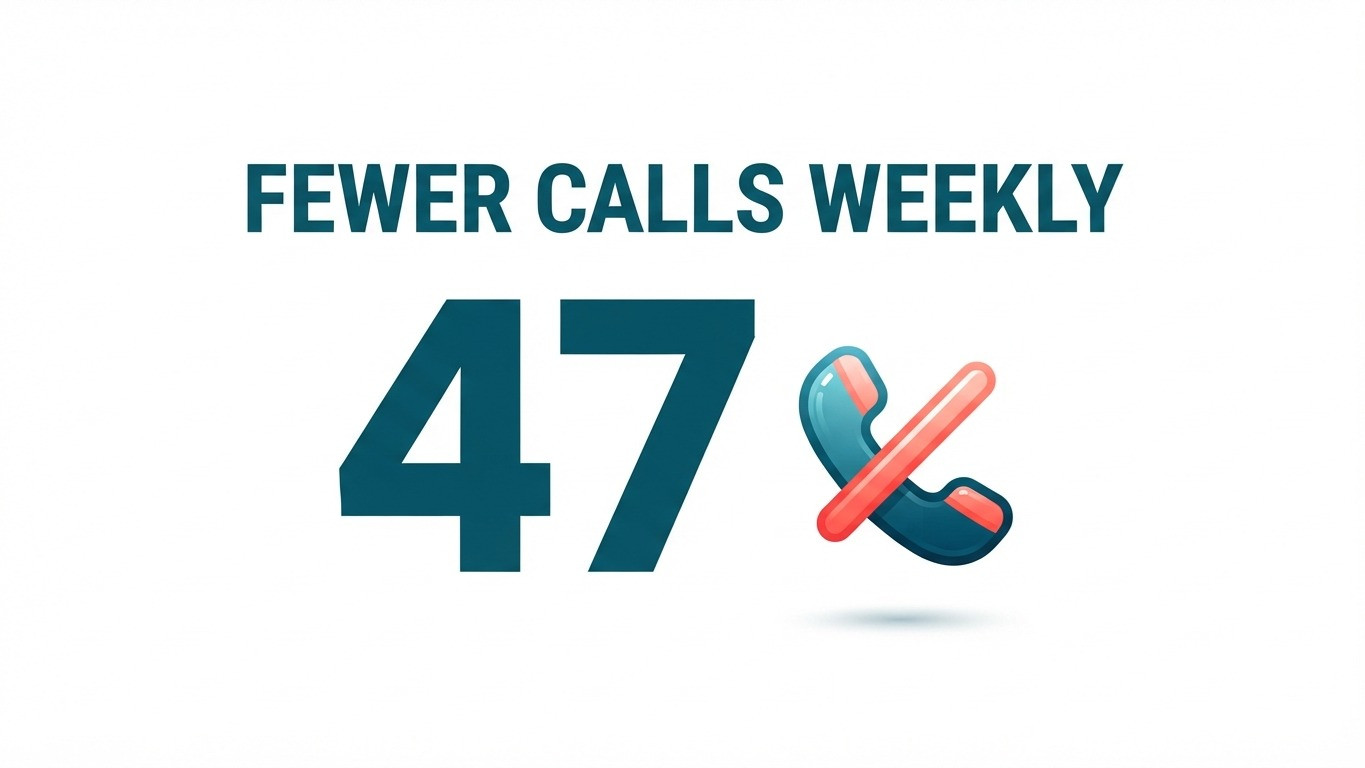
Every property manager knows the call: “does the main bedroom have carpet or hardwood?” “Where’s the air conditioning unit?” “Is the cooktop gas or electric?” Questions a listing photo already answers, if anyone had time to look. A Brisbane agency called Pure Real Estate built a real estate chatbot that reads listing photos to handle exactly that, and it eliminated 47 incoming calls a week for the team, enough to win the People’s Choice Award at REACH’s Top of the Props pitch event this month.

How a Chatbot “Reads” a Listing Photo
The platform, called Crayons CRM, was built by co-founders Milo Holmes and Russell Peter, the latter a 25-year veteran of running Pure Real Estate. According to Elite Agent’s coverage, the moment a prospective tenant inquires through a listing portal, the system generates a personalized, interactive portal within seconds and starts answering questions directly from the property’s own listing photos: whether a bedroom has carpet, where a split-system air conditioner is mounted, whether the cooktop is gas or electric.
None of that requires an agent to manually re-upload or tag anything. The AI reads the same photos already sitting in the listing and extracts the specific detail a prospect is asking about, in real time, without a human relaying the answer.
Why This Matters Beyond One Brisbane Office
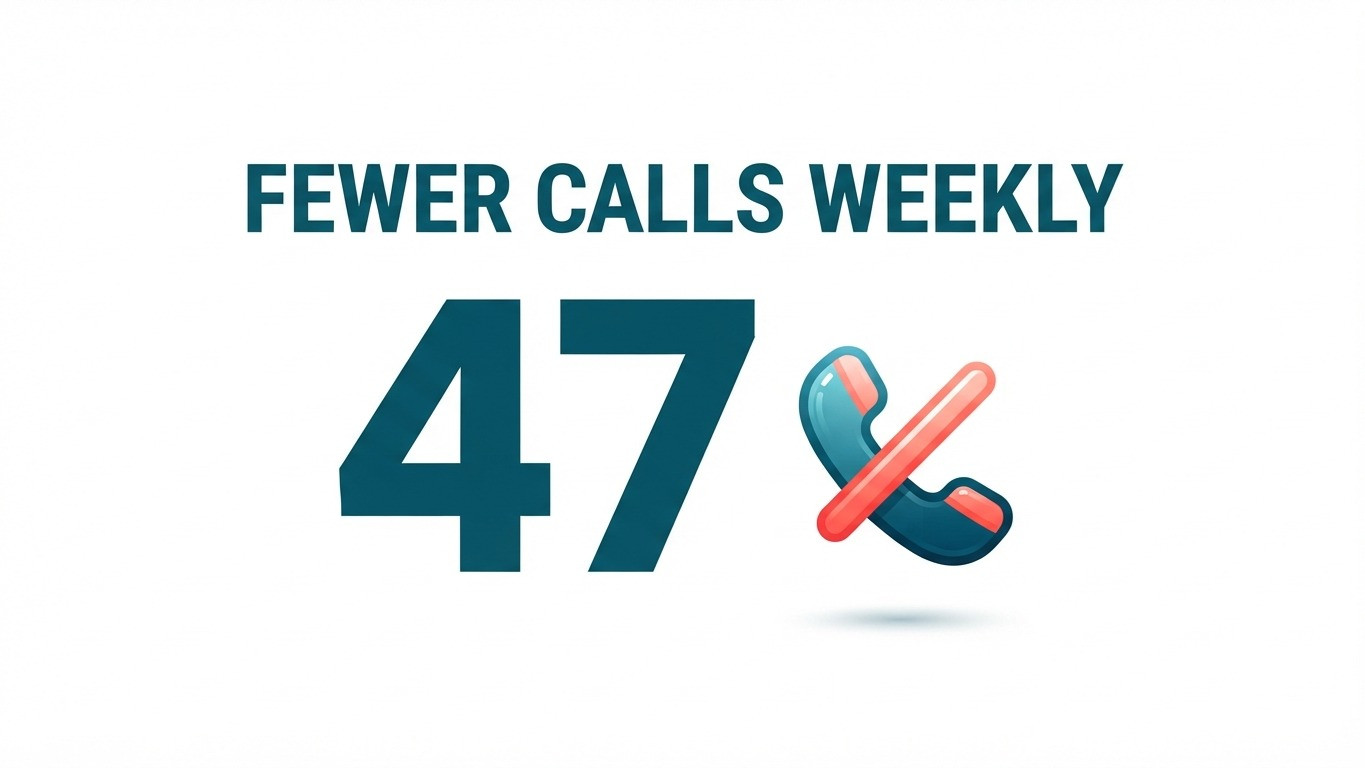
Forty-seven calls a week is not a marginal efficiency gain. That is roughly seven fewer phone interruptions a day for a property management team, each one previously requiring someone to stop, pull up the listing, and manually check a detail a photo already showed. The system also works offline to cancel no-show inspections, cutting wasted site visits on top of the call volume.
The pattern here fits a broader shift already visible across real estate AI this year: tools that answer questions directly from existing data, whether that is ATTOM’s AI agents answering property research questions in plain English, or a room visualiser turning photos into showing requests, or a listing photo answering a tenant’s question about flooring. The common thread is less new data entry and more AI actually using data that already exists.
What a Real Estate Chatbot That Reads Listing Photos Needs to Get Right
Not every chatbot vendor claiming “AI-powered” support can do what Crayons CRM demonstrated. Three things separate a genuinely useful photo-reading chatbot from a marketing claim.
First, it has to work from photos you already have. If a platform requires re-tagging every image or filling out a separate spec sheet before it can answer questions, it has just moved the manual work instead of removing it.
Second, accuracy on specific physical details matters more than conversational polish. A chatbot that answers fluently but gets the flooring wrong creates more support tickets than it prevents, not fewer.
Third, it needs a clear handoff path for anything it cannot answer from the photos alone. Not every tenant question is visual, and a good system should hand off to a human cleanly rather than guessing.

The Bigger Trend: AI That Uses What You Already Have
What makes this case study worth watching is not the award, it is the direction. The most useful real estate AI tools launching in 2026 are not asking teams to collect more data. They are getting better at using the data already sitting in a listing, a CRM record, or a photo library that nobody had time to fully leverage before. A real estate chatbot that reads listing photos is simply the clearest, most measurable version of that idea so far. Infina AI, our own product, works from the listing itself: an AI expert for any listing that answers buyer questions using listing data and shows its sources.
Related Reading
If you are evaluating whether your current chat tool could take on this kind of task, start with our roundup of which chat tools cut call volume, which separates the platforms that actually do it from the ones that just add a widget, or our roundup of conversational AI chatbots for real estate for lead follow-up rather than tenant support. It pairs well with our coverage of AI property research tools for real estate teams, since both are examples of AI answering questions directly from data that already exists rather than requiring new manual entry.
Final Thoughts
A Brisbane agency proved a narrow, well-executed idea can outperform a general-purpose chatbot: point the AI at the photos already in every listing and let it answer the questions a person would otherwise have to stop and check manually. A real estate chatbot that reads listing photos is not a gimmick if it removes 47 real phone calls a week. It is exactly the kind of unglamorous automation that adds up.
