
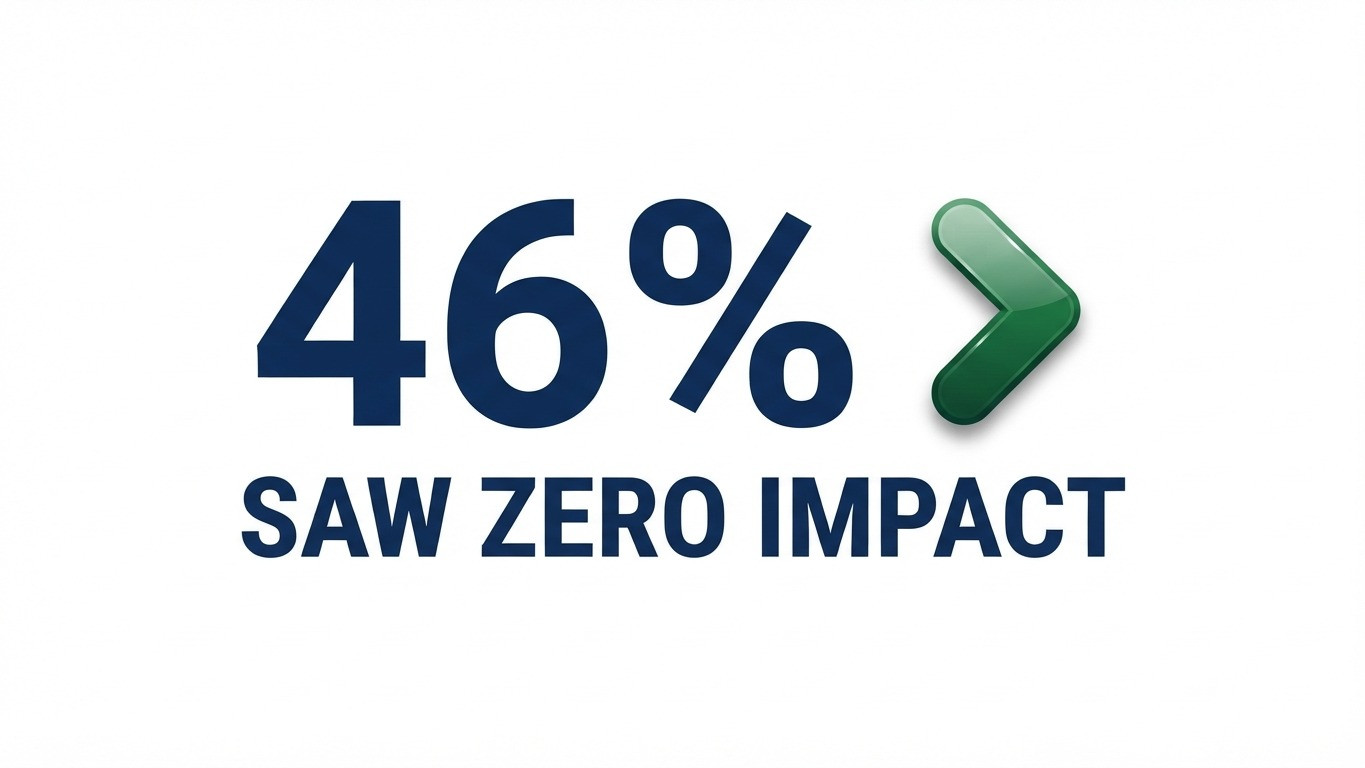
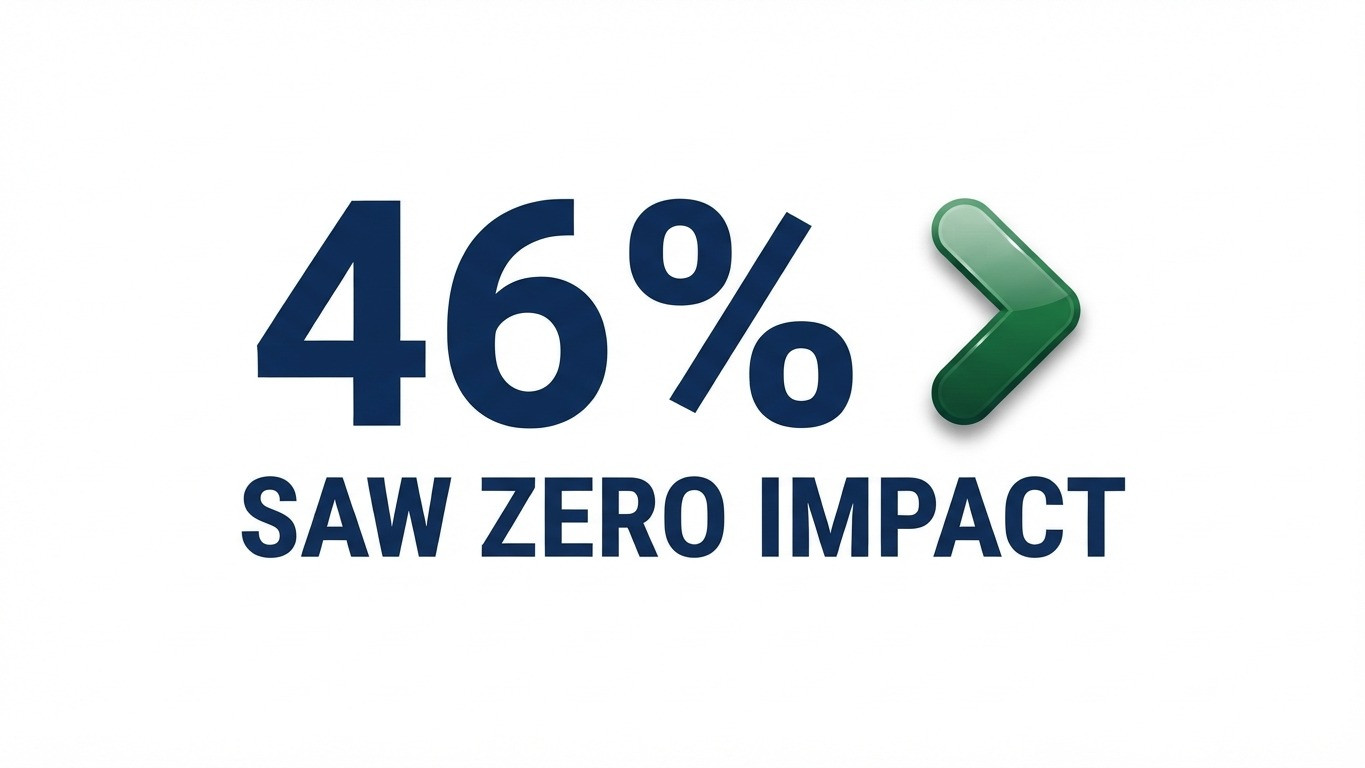
The National Association of Realtors just published a number that should worry anyone selling AI tools to agents, and reassure anyone who has felt like their AI subscription is not doing much. NAR’s 2025 Technology Survey, drawn from a sample of over 49,000 active Realtors, found that 41% of agents are already using AI in their business. Of that group, 46% say it has had zero noticeable impact, and only 17% report a significant positive effect. Ai usage without measurable impact real estate agents is not an edge case. It is close to the median experience.

What the NAR Data Actually Shows
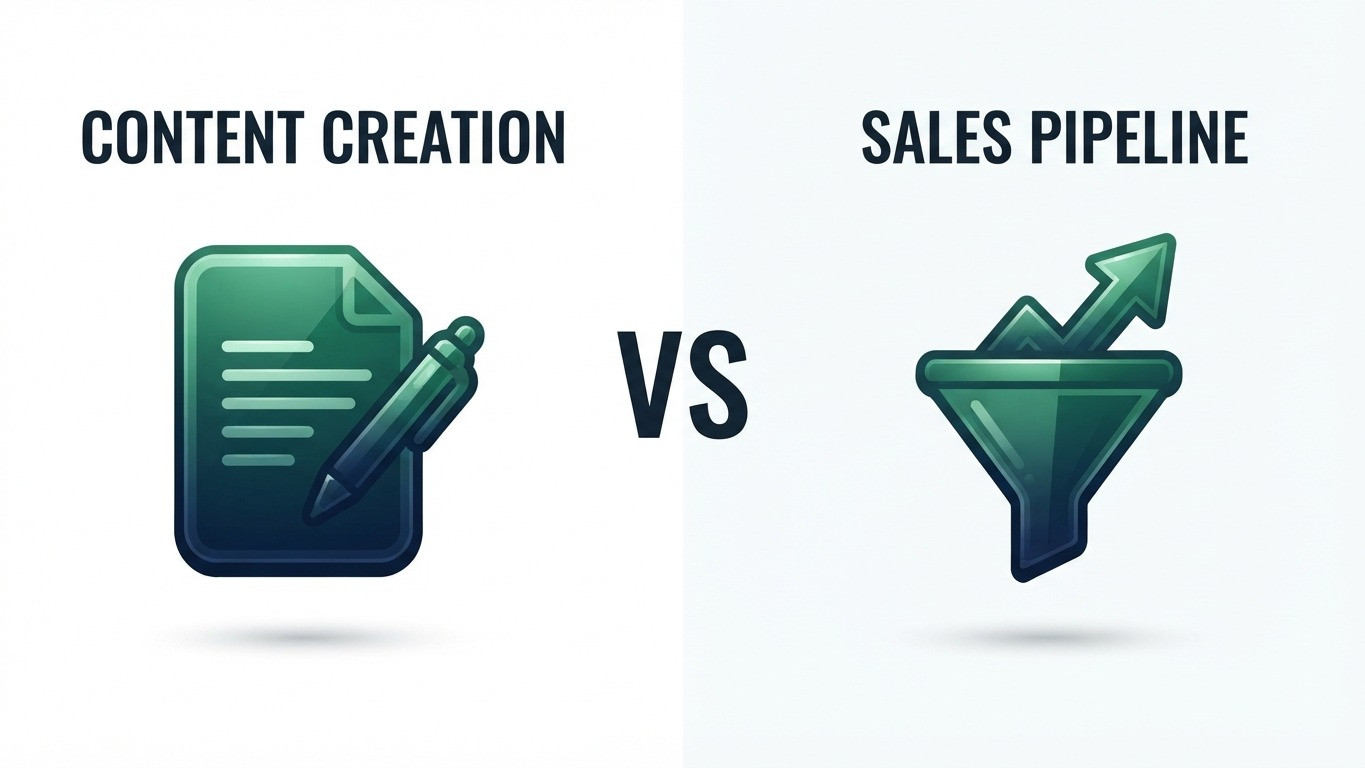
The gap NAR uncovered is not an adoption problem, it is an application problem. Adoption is close to universal at this point; brokerages reporting zero AI use have fallen into the low single digits according to NAR’s own reporting. What is not universal is knowing which tasks AI actually moves the needle on. Most agents in the survey applied AI to content generation, listing descriptions, social captions, marketing copy, which are real time savers but do not touch the two things that actually create a sale: how fast a lead gets a response, and how consistently that lead gets followed up.
Why Content Tasks Don’t Show Up in Your Numbers
Writing a listing description faster feels productive, and it is, but it saves time rather than creating revenue. A faster listing description does not change whether a lead who submits a form at 11pm gets a response before a competitor calls them first. That distinction is exactly why ai usage without measurable impact real estate agents keeps showing up in survey after survey: agents are measuring “did I use AI today” instead of “did AI change an outcome that shows up in my close rate.”
The agents in the 17% who do report a significant positive impact tend to have pointed AI at a narrower, higher-leverage target: instant lead response, automated qualification, and consistent follow-up sequencing inside their CRM, not general-purpose content generation running alongside their existing workflow.
Where to Point AI So It Shows Up in Your Pipeline, Not Just Your Time Savings
If content tools aren’t moving your numbers, the fix isn’t to abandon AI, it’s to move it further down the funnel where speed and consistency actually convert. Three shifts separate agents seeing real impact from the 46% seeing none.
First, put AI on lead response time, not lead generation content. A lead that gets an instant, AI-assisted reply at any hour beats a perfectly written listing caption every time it comes to actually closing.
Second, let AI run the follow-up cadence your pipeline depends on, not just the first touch. Most leads that go cold do so because the third or fourth follow-up never happens, not because the first message was weak.
Third, track a metric AI can actually move. “Hours saved on content” does not show up in a close rate. “Percentage of leads contacted within five minutes” does, and it is exactly the kind of task a CRM’s AI features are built to automate consistently.

AI Usage Without Measurable Impact Real Estate Agents Can Actually Fix
Reading the NAR numbers as “AI doesn’t work for real estate” misses the actual finding. The 17% getting real impact are proof the tools work when pointed at the right task. The 46% seeing nothing are mostly using the same category of tool, AI, for a different job than the one that shows up in a P&L. Ai usage without measurable impact real estate agents is a targeting problem far more often than it is a technology problem.
Related Reading
If you want to move from the 46% seeing nothing to the 17% seeing real results, our guide to building a pipeline around deal stages covers how to build automated response and follow-up sequences that actually close, rather than just save time. It pairs well with our look at the AI training gap for real estate agents, since knowing which task to automate matters just as much as having the tool.
Final Thoughts
Forty-six percent of AI-using agents seeing zero impact is not a verdict on AI. It is a verdict on where most agents are pointing it. Ai usage without measurable impact real estate agents will keep showing up in next year’s survey too, unless more agents move AI out of the content queue and into the pipeline, where response speed and follow-up consistency actually decide who gets the deal.
