
A new industry study just confirmed something title companies have been warning agents about for two years: scammers are no longer just spoofing wire instructions, they are impersonating the seller. Seller impersonation fraud prevention real estate agents need now has to account for deepfake voice and forged ID documents, not just a suspicious email address.

Seller Impersonation Fraud Attempts Have More Than Doubled
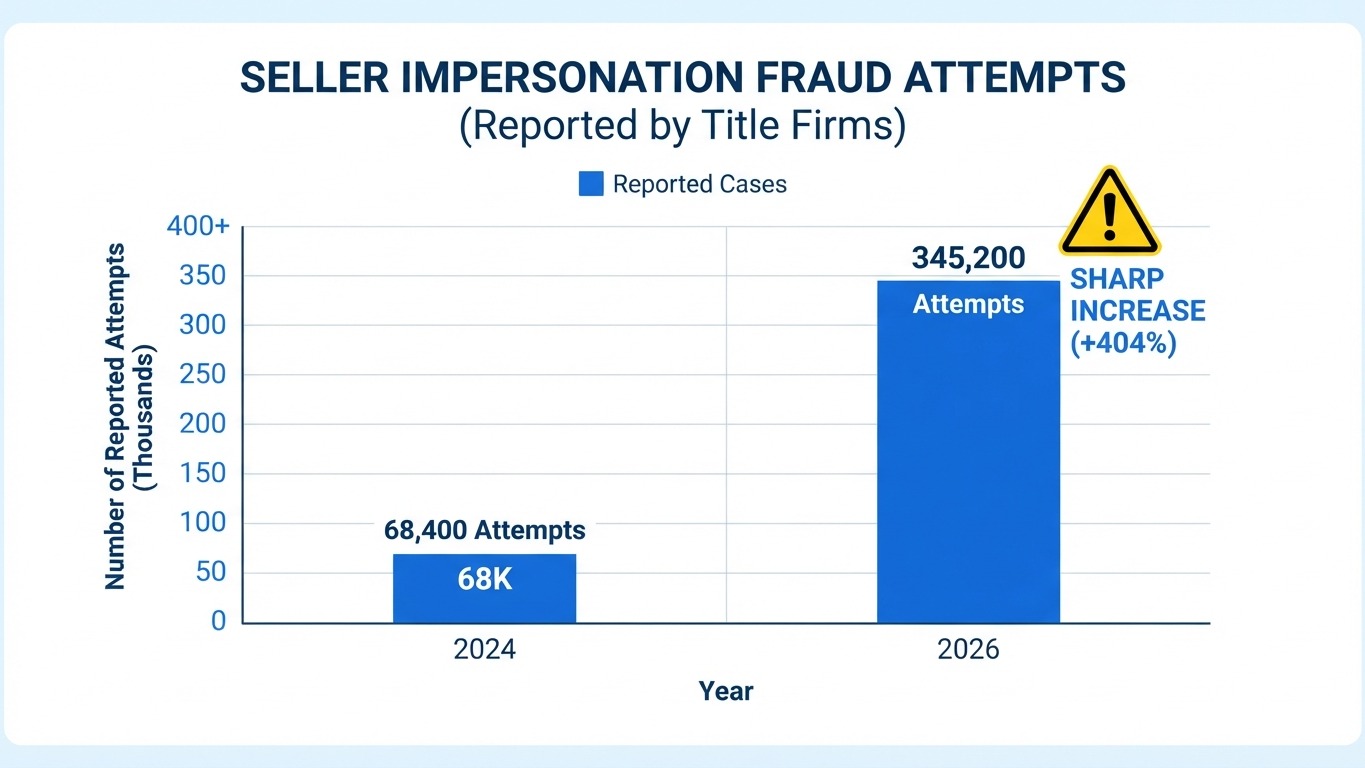
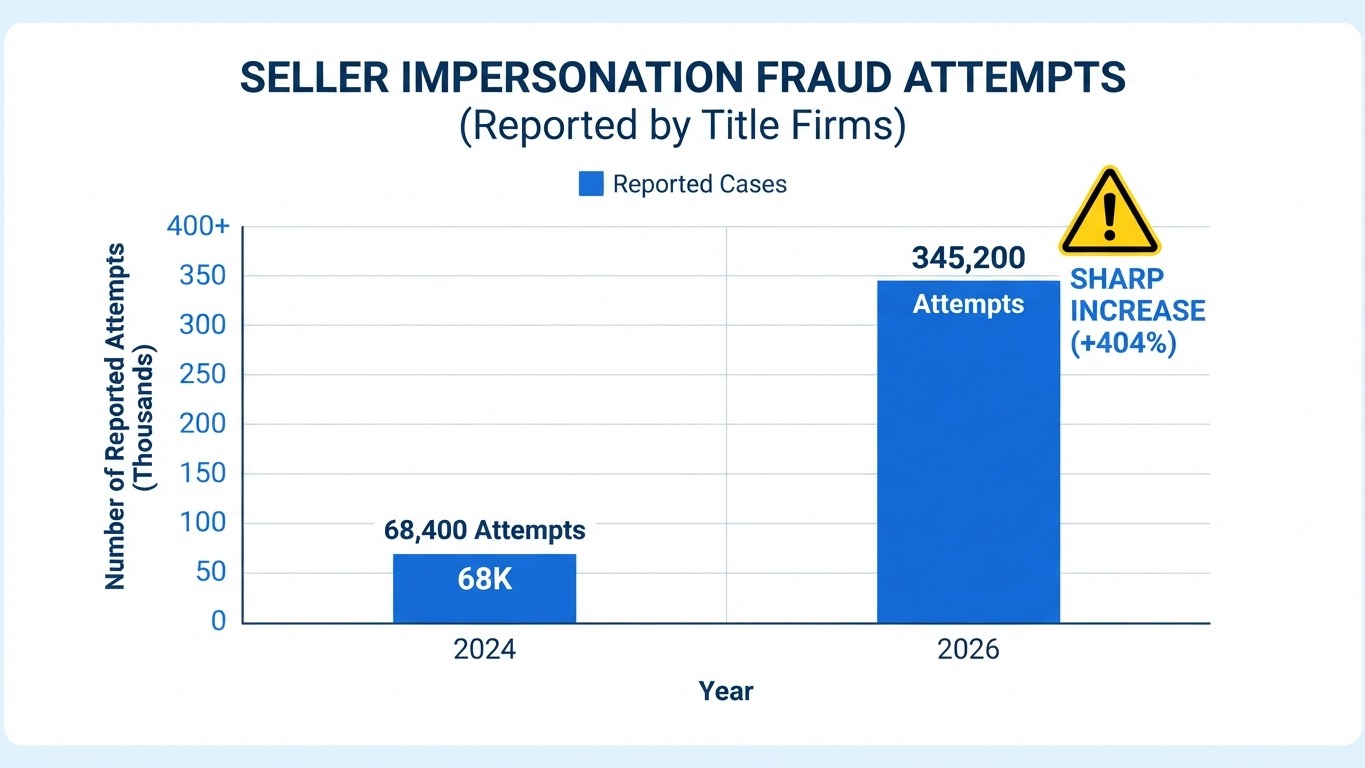
ALTA’s Critical Issues Study: Seller Impersonation Fraud, released September 14, found that 59% of title firms reported at least one seller impersonation fraud attempt in the prior calendar year, more than double the 28% reported in ALTA’s 2024 survey (see HousingWire’s coverage of the ALTA study). It drew 245 responses covering 40 states, the District of Columbia, and the US Virgin Islands, fielded in spring 2026.
Two numbers in it matter more than the headline. The share of firms reporting an attempt in the month before the survey rose from 19% to 45%, which is a frequency change rather than an awareness change. And one in four firms that saw an attempt also reported a paid claim, with half of those putting the average cost above $100,000. This is not a category where the typical loss is small.
On tactics, spoofed contact information remains the most common at 87%, but 58% of respondents now rate deepfake image or voice technology as at least somewhat common, a category that did not exist as an answer option two years ago.
Why This Matters Before a Lead Ever Reaches Closing
Title companies catch a lot of this fraud late, at the closing table, after an agent has already invested weeks building a relationship with a “seller” who never owned the property. The earlier version of this problem is quieter: a fraudulent seller lead enters an agent’s pipeline looking completely normal, moves through the same automated follow-up as everyone else, and only gets flagged once someone finally asks for ID. Every stage that automation skips past without a verification checkpoint is a stage fraud can hide in.
Seller Impersonation Fraud Prevention Real Estate Agents Can Build Into Their Pipeline
The fix is not asking agents to become fraud investigators. It is adding a mandatory identity check at a specific pipeline stage, before a listing agreement gets drafted, so seller impersonation fraud prevention real estate agents rely on happens automatically instead of depending on someone’s gut feeling. A pipeline stage that requires a verified government ID match and a live video call before a listing moves to “under contract” closes the exact window fraudsters are using right now.

Tools That Verify Identity Before Fraud Reaches the Closing Table
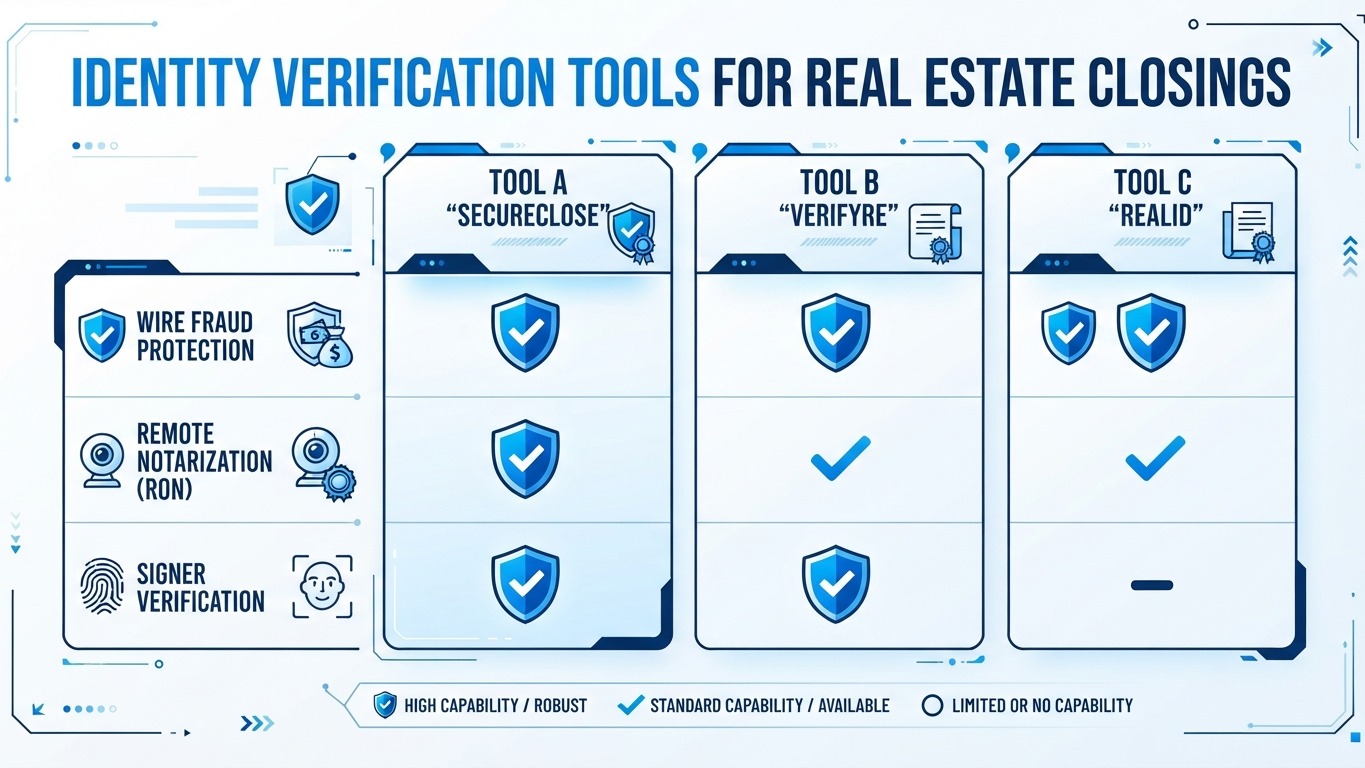
CertifID verifies wire instructions and seller identity in real time, flagging mismatches before funds move. Proof runs identity verification and remote online notarization together, so a seller has to pass a live ID check before signing anything. Snapdocs builds identity verification directly into the closing workflow, catching mismatched signers before documents are finalized.
Related Reading
For how to build a verification checkpoint into the stage before a lead reaches contract, see our crm pipeline guide. And for a related look at how automated systems can leak sensitive data if they are not locked down, our MLS data security breakdown covers a similar gap on the listing side. For the other compliance risk AI outreach itself creates, see our guide to the consent trail every automated message needs.
Final Thoughts
Seller impersonation fraud attempts more than doubling in two years is not a reason to slow down automation, it is a reason to put a verification stage inside it. The brokerages building seller impersonation fraud prevention real estate agents can trust into the pipeline itself, rather than leaving it to whoever happens to ask for ID, are the ones who will not be explaining a wired deposit to a lawyer next year.
