
Securityholders of both Real and RE/MAX approved Real’s $880 million acquisition of RE/MAX Holdings on August 14, and the deal is expected to close in the second half of 2026. Buried under the headline number is a detail that matters more for day-to-day agent work than the price tag: Real’s proprietary reZEN platform, and the Leo AI assistant built into it, is expected to layer onto the RE/MAX network once the deal closes. The Ai crm assistant brokerage merger rollout agents that follows will reach more than 180,000 agents across 120-plus countries, most of whom have never touched Real’s system before.

What Leo 2.0 Actually Does Right Now
Leo 2.0 is already live in beta on Real’s own network. According to HousingWire’s coverage, the assistant is voice-first and context-aware, answering compliance, marketing, and operations questions instantly and connecting directly into an agent’s CRM to update records automatically as interactions happen. Real’s chief operating officer Jenna Rozenblat described the goal plainly: helping agents respond faster, maintain more consistent engagement, and identify when a client is ready to act, all without adding a separate tool to check.
More than 200 of Real’s top-producing agents and teams have already connected their CRM to Leo 2.0 during the beta, and the company is tracking adoption through three specific signals: how many agents connect their CRM at all, how many trigger the agentic tools daily, and how many keep using the system past the first week. Real has said publicly that it wants to automate up to 80 percent of routine real estate processes within six months, a target that only makes sense if agents actually keep the CRM connection active rather than treating Leo as a one-time demo.
Why This Is Different From a Typical Brokerage Tech Upgrade
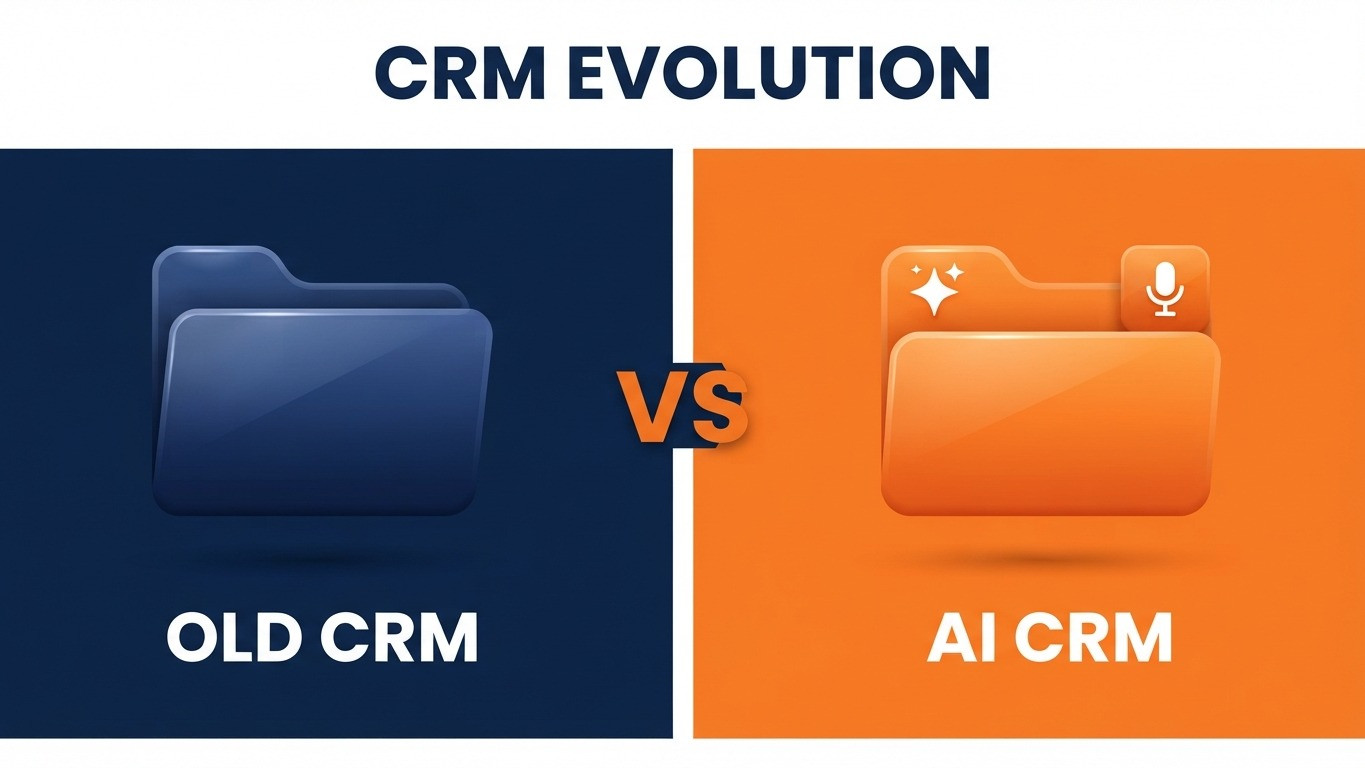
Most brokerage AI rollouts add a feature to a system agents already know. This one is closer to a migration. RE/MAX agents currently run on whatever CRM and transaction tools their local office chose, and reZEN was purpose-built around Real’s own workflow from the ground up. Layering Leo onto a network that size means tens of thousands of agents learning a new system at the exact moment their brokerage’s ownership is changing, which is a harder adoption problem than rolling out a new plugin to agents already inside reZEN. This is the part of any ai crm assistant brokerage merger rollout agents outside the original company tend to underestimate.
What the AI CRM Assistant Brokerage Merger Rollout Agents Should Actually Expect
Public statements from both companies have not laid out a rollout schedule, confirmed whether participation will be mandatory, or set pricing for RE/MAX affiliates, so agents on the RE/MAX side are working with real uncertainty right now. Three things are worth tracking as more details emerge.
First, whether CRM migration is opt-in or required. A voluntary rollout gives offices time to test Leo against their existing tools before committing; a mandatory one compresses that timeline considerably.
Second, what happens to data already sitting in an office’s current CRM. A migration that does not cleanly import contact history, transaction records, and communication logs creates real risk of lost pipeline during the transition.
Third, how Real measures success beyond its own network. The three adoption signals Real tracks internally, CRM connection, daily agentic tool use, and sustained usage, are a reasonable bar for Real’s existing agents who chose reZEN. Whether those same signals hold up among agents who did not choose this system is the real test of the merger’s technology thesis.

The Bigger Pattern: Brokerage M&A Is Now a Technology Story
A decade ago, a brokerage acquisition this size would have been framed almost entirely around agent count and market share. This one is being framed, publicly and repeatedly, around which company’s technology platform becomes the backbone of the combined business. Every ai crm assistant brokerage merger rollout agents will read about from here on is likely to get framed the same way. That shift says as much about where brokerages think their margin comes from now as it does about this specific deal.
Related Reading
If your team is evaluating whether an AI layer on top of your CRM is actually worth the switch, our guide to AI CRM tools for real estate breaks down which platforms genuinely reduce manual data entry versus which ones just add a chat window on top of the same old workflow. For the behavioral-signal side of that same question, see our breakdown of what turns activity into a priority list. It pairs well with our coverage of using one AI assistant instead of more software, since Leo’s pitch to RE/MAX agents is exactly that consolidation argument, just applied at brokerage scale instead of one agent’s toolkit.
Final Thoughts
Whether Leo 2.0 succeeds with 180,000 new agents will say more about real estate brokerage technology than the merger’s price tag ever will. The ai crm assistant brokerage merger rollout agents happening here is effectively a live experiment in whether an AI CRM assistant built for one company’s workflow can be handed to an entirely different agent base and still deliver the productivity gains it promised on a smaller, more self-selected group.
